Pages

Friday, 22 October 2010

Mixed weather had its effect but there is good news too!

We’ve had mixed weather since I wrote in September and this has had its effect on the SFG.


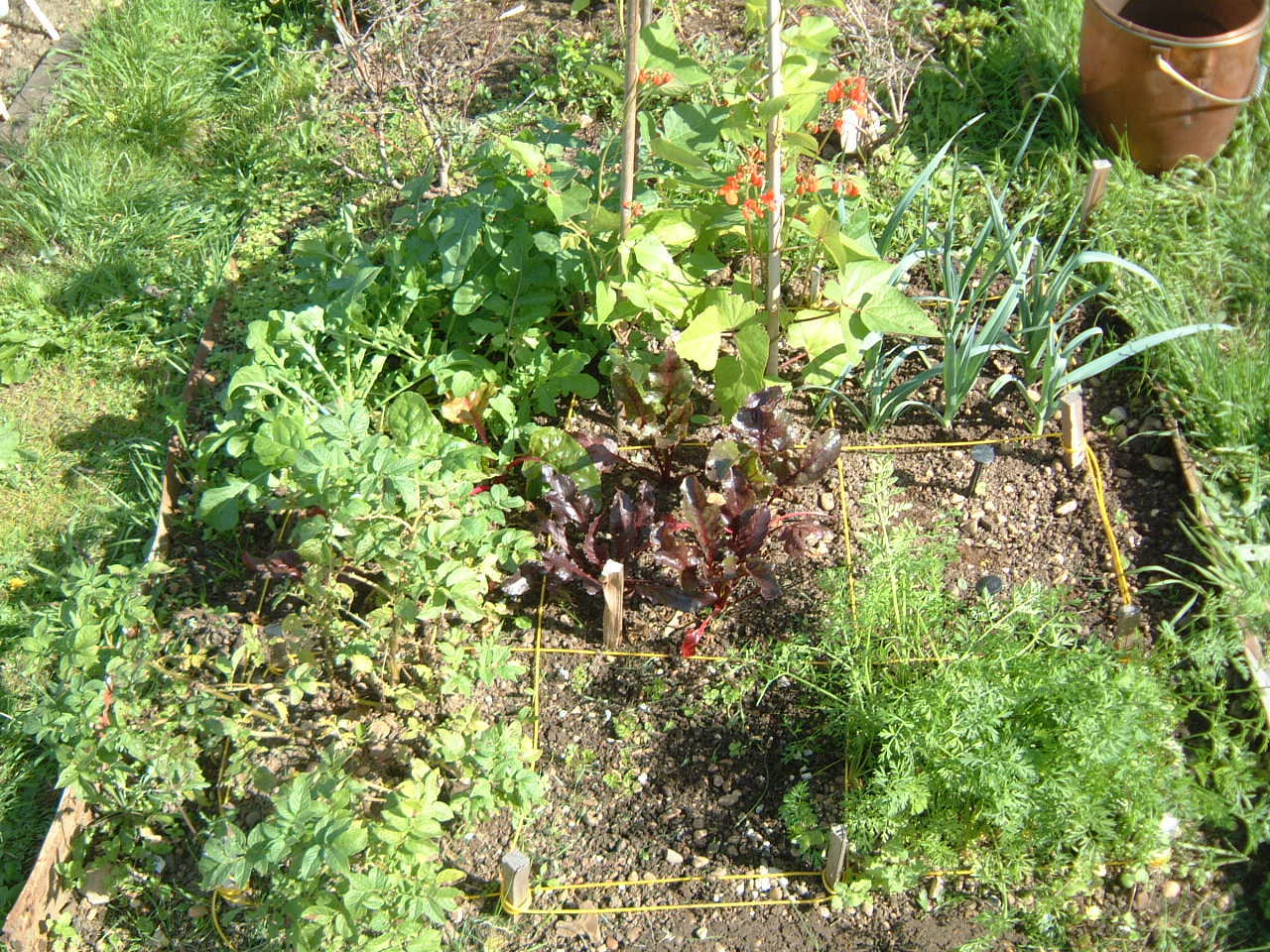
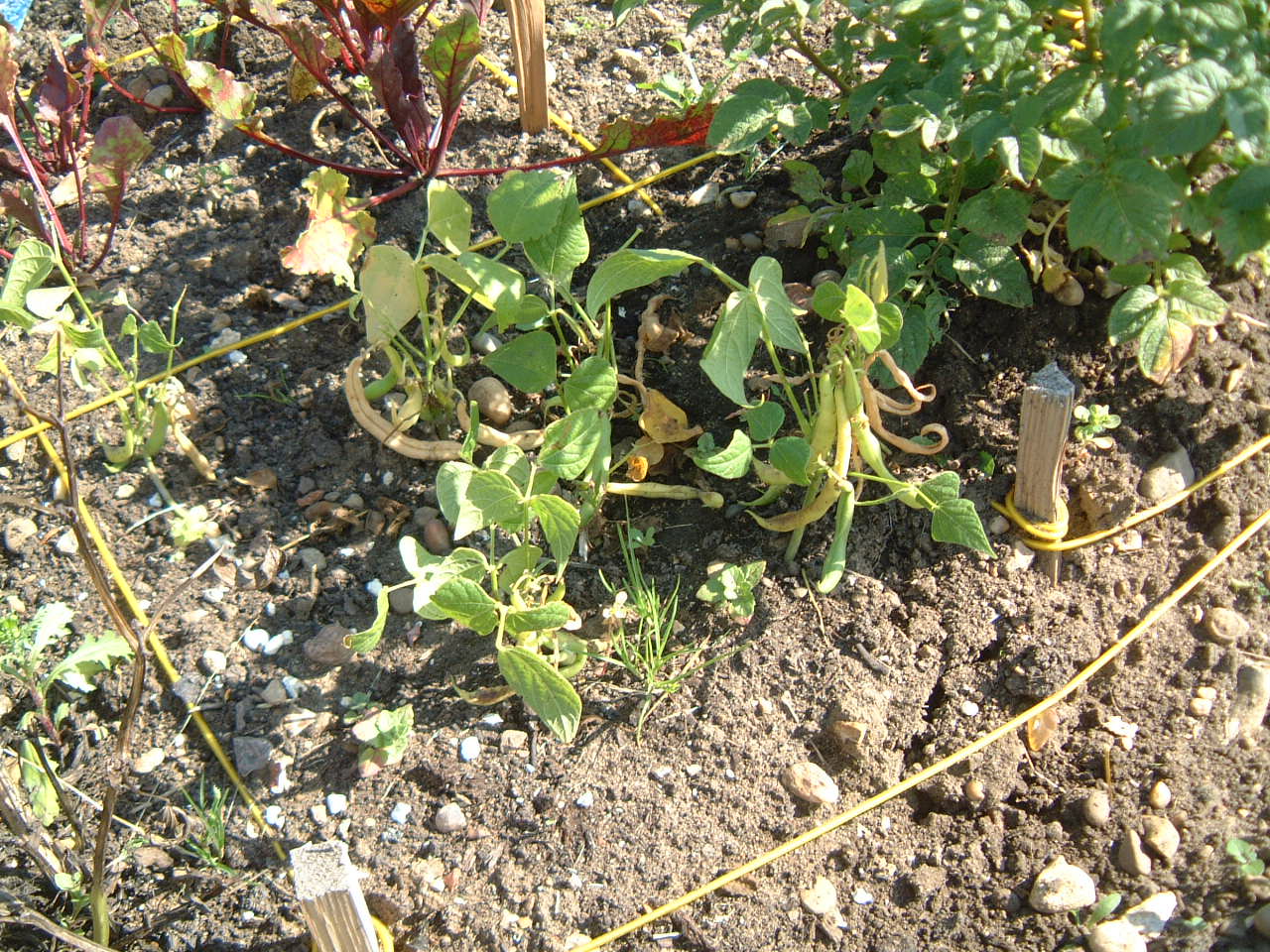
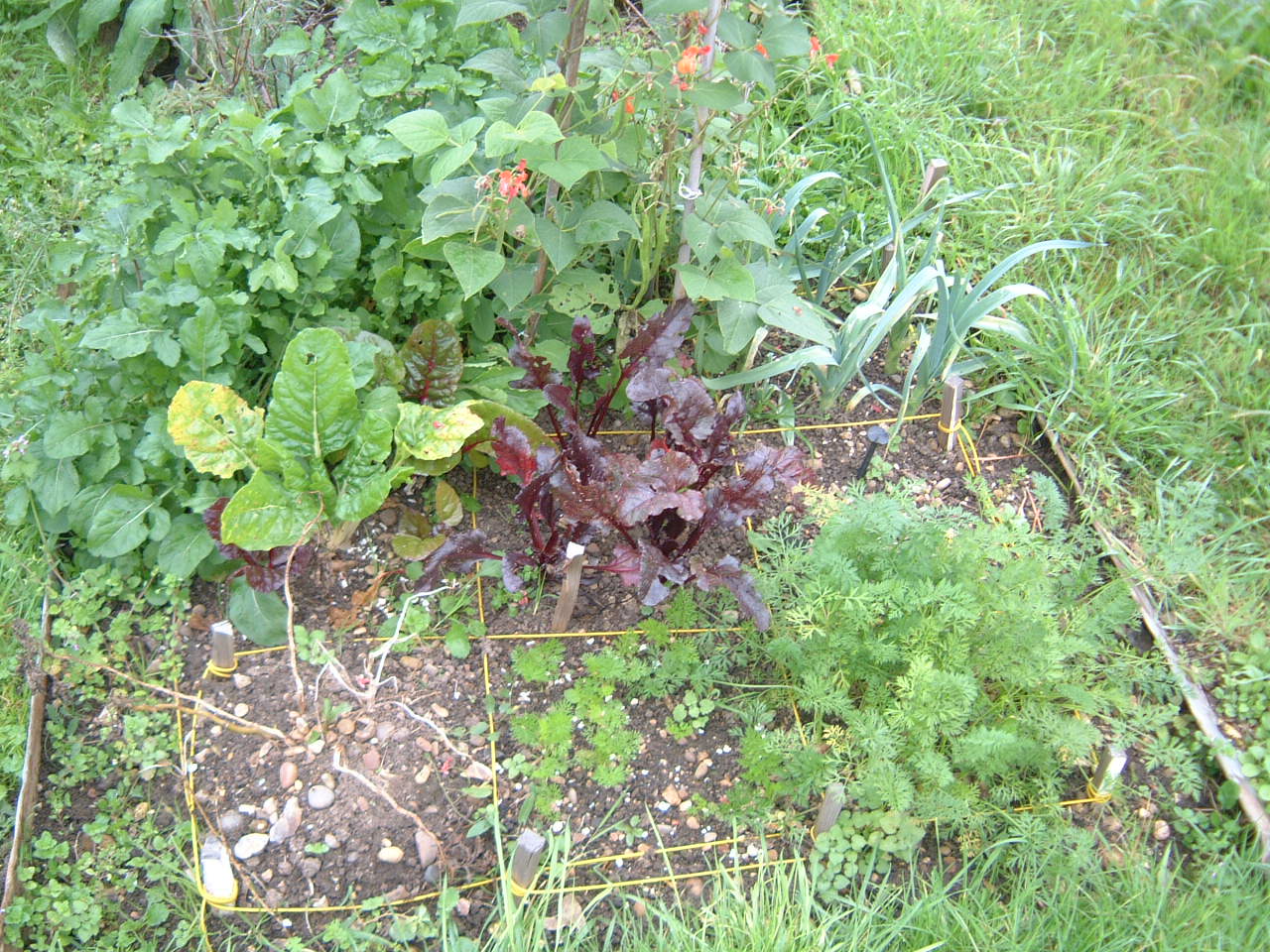
The picture above shows the SFG just before Green Drinks on 12th October. Bottom left the Pink Fir Apple potatoes have died back and need harvesting, and the runner beans are flowering and maturing.

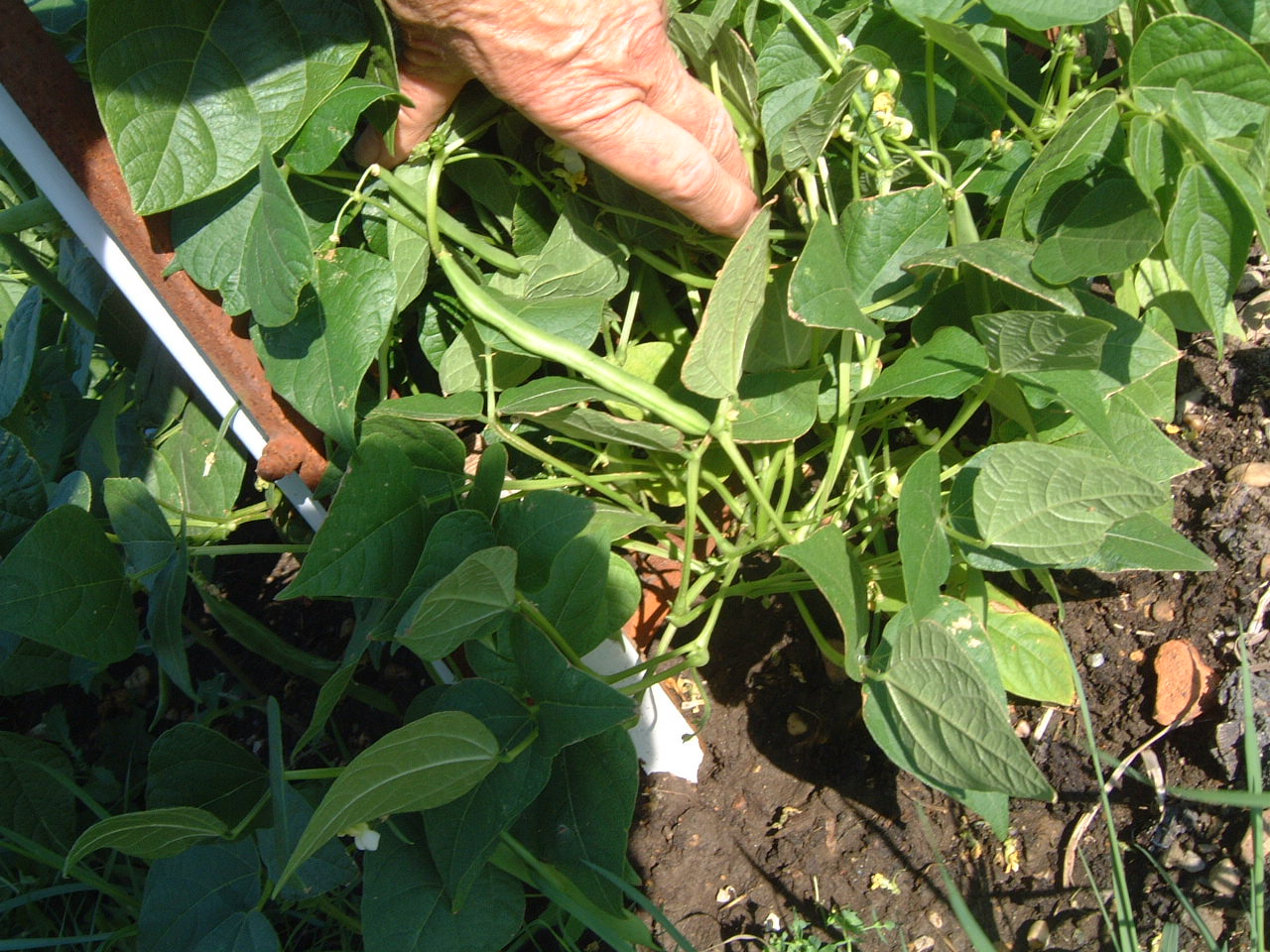
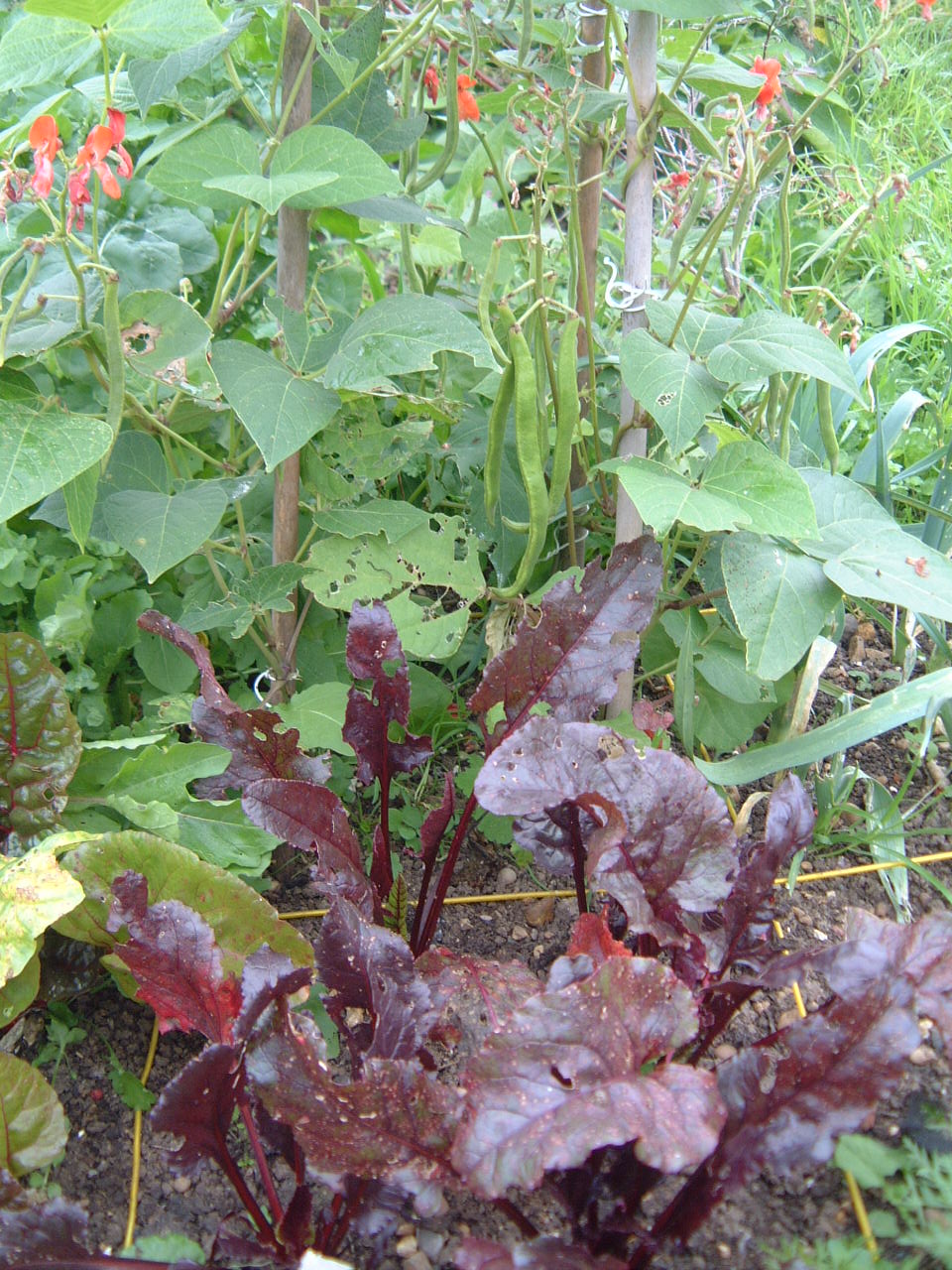
The picture below shows a close-up of the beans, some of which I can report were tender and full of flavour.

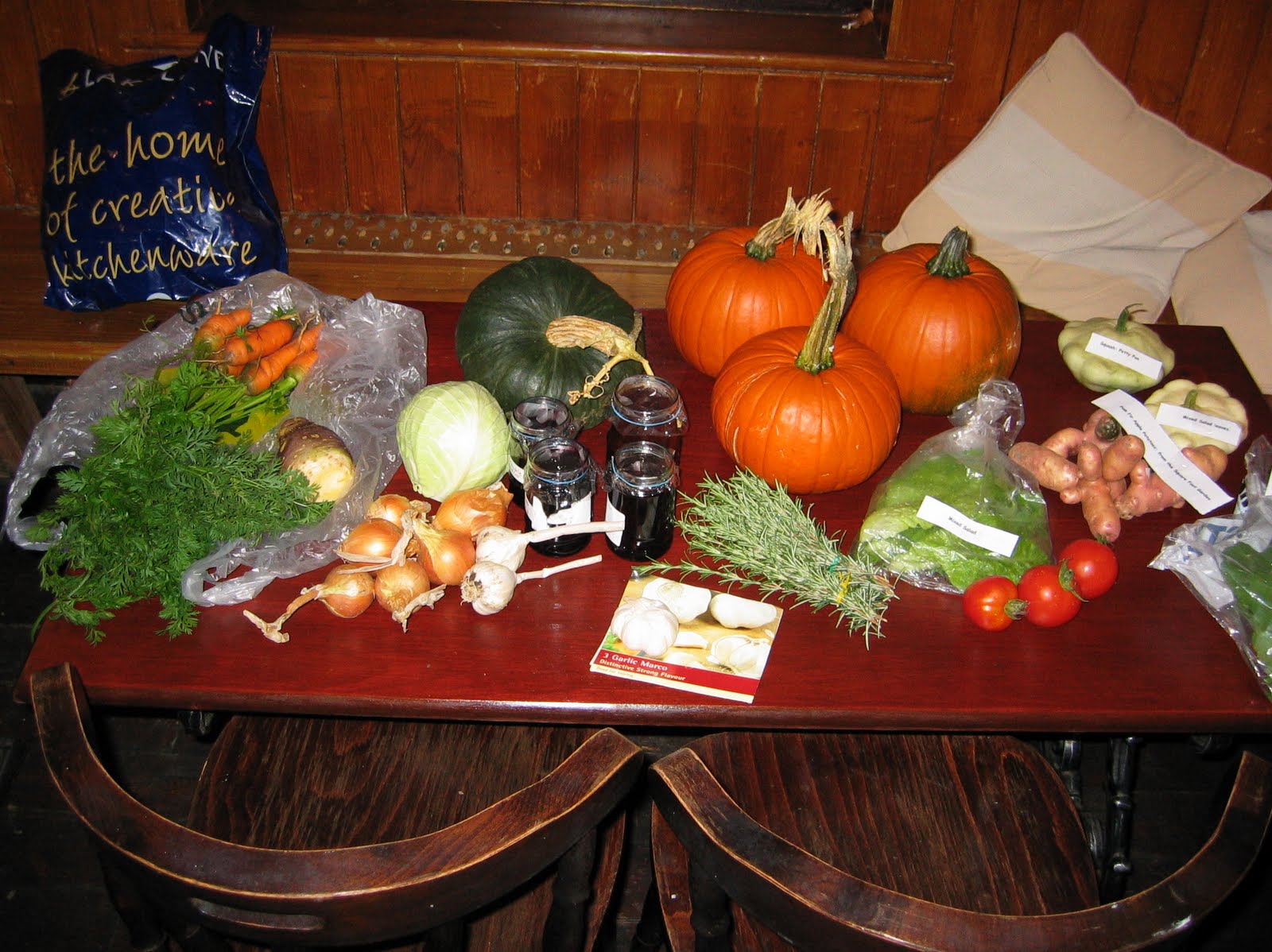
The following image shows the harvest of Pink Fir Apple potatoes which, together with some rocket were donated to the “Veg swap” at Green Drinks in the Farmers Boy (shown next).


Over the last few nights we’ve had our first frosts and this has turned the remaining beans into frozen food and when thawed they lose their flavour and texture. I’ve cut the bean vines off just above the ground and stored the bean sticks in the shed. The roots of the beans bring nitrogen up from deeper in the soil, ‘fixing it’ as nodules and making it available for other crops.

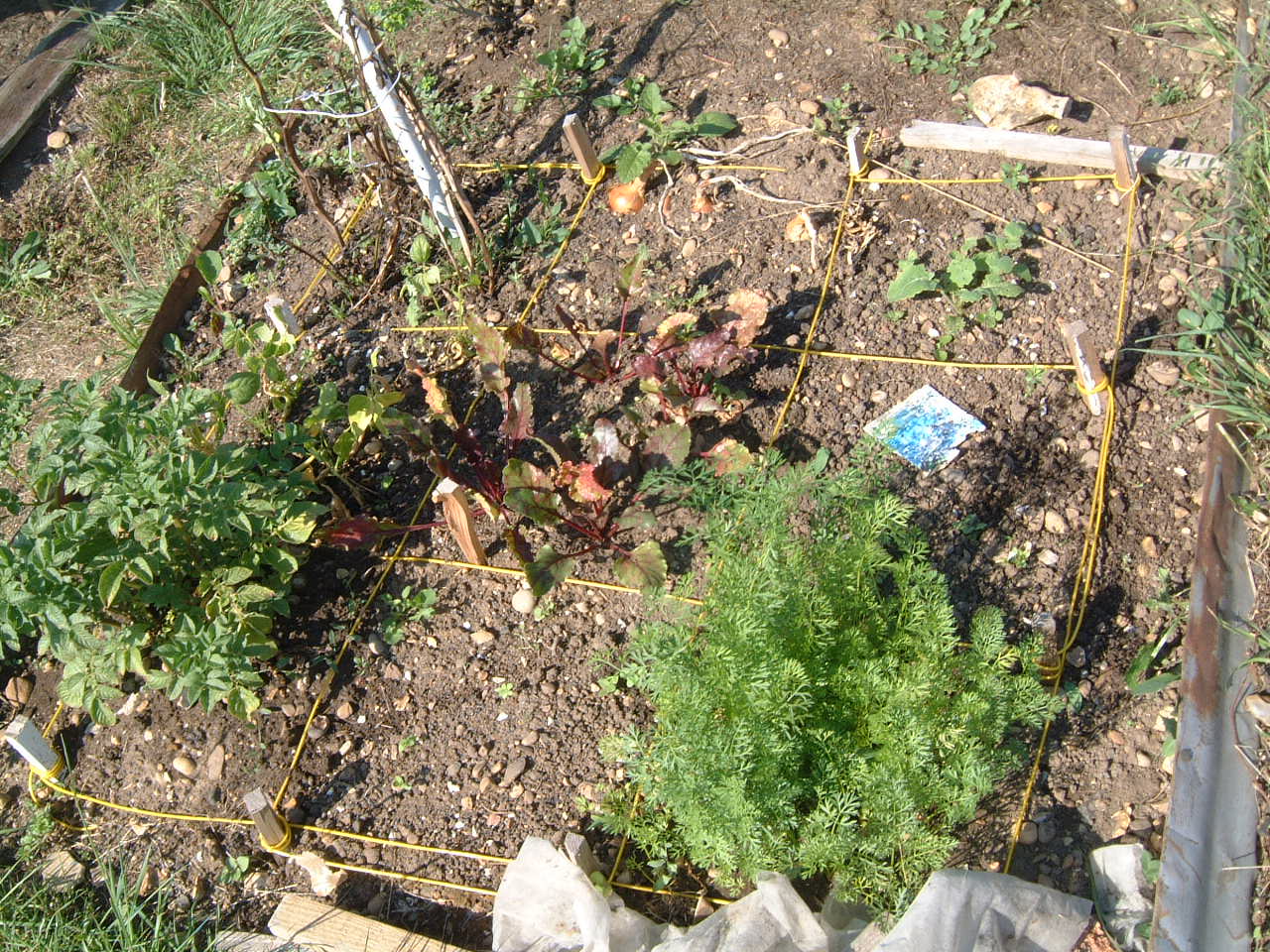
The photo below shows the bean stalks left in the soil and the effect of Leek Moth on the leeks – shredded leaves and in one case, a completely destroyed plant.


However there is good news also!
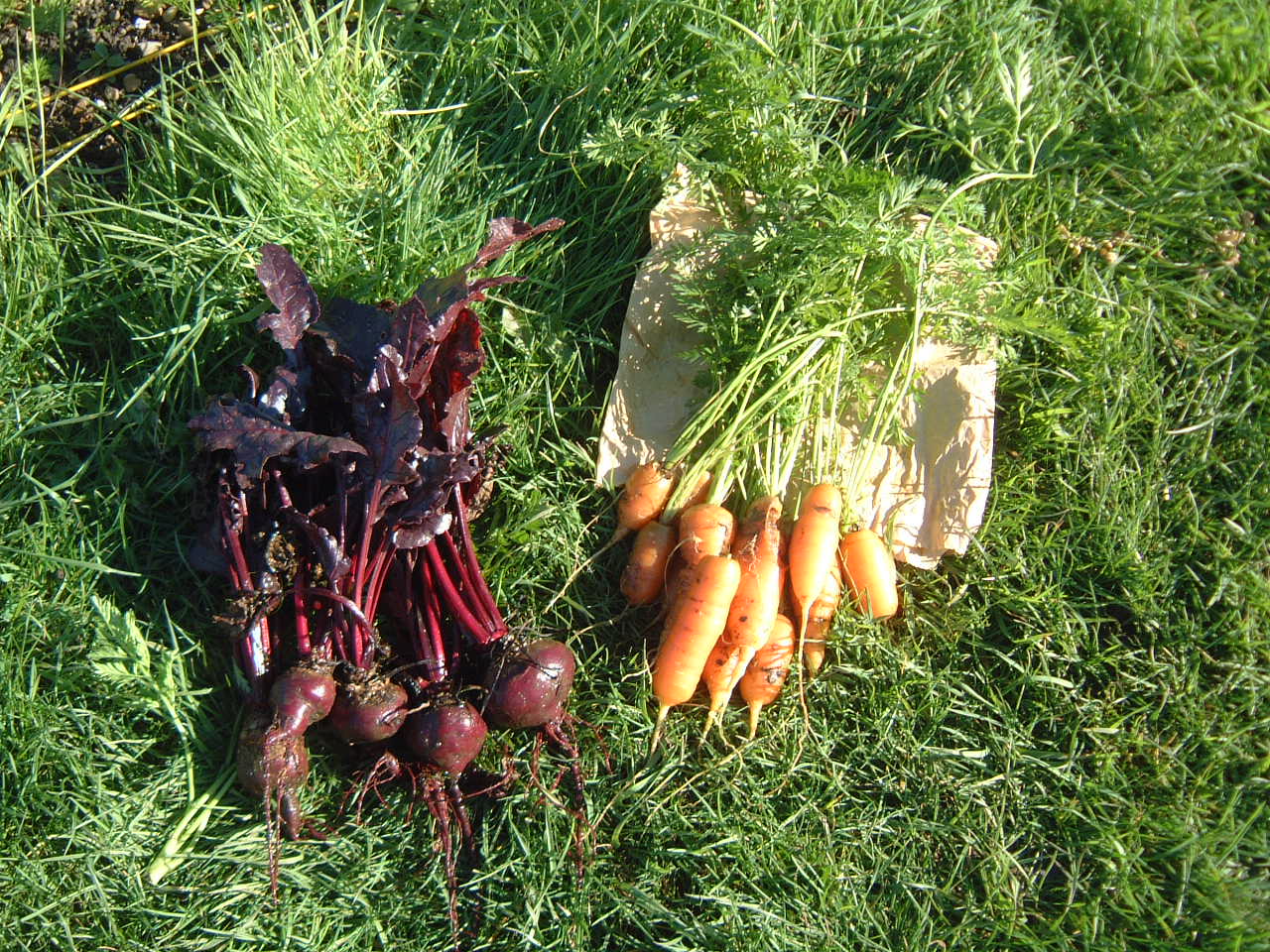

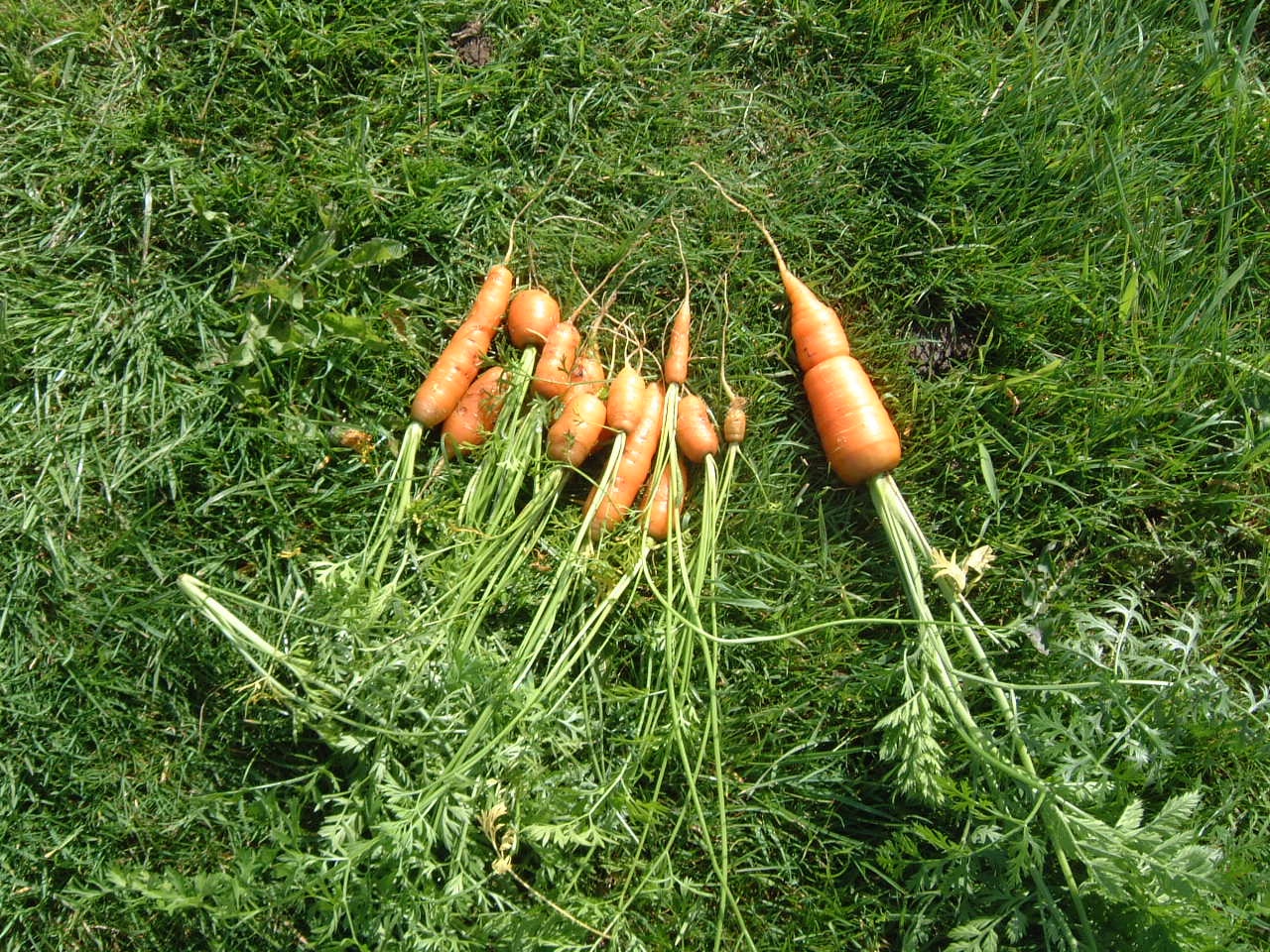
In the photo above, you can see the final harvest of the beetroot and some more carrots; and there are still more to come and no sign of carrot fly infection in the roots, so maybe covering with fleece worked. In addition, the rocket continues to crop really well and the chard is growing well too.

This leaves a few squares vacant which I have dressed with some blood, fish and bone organic fertilizer.
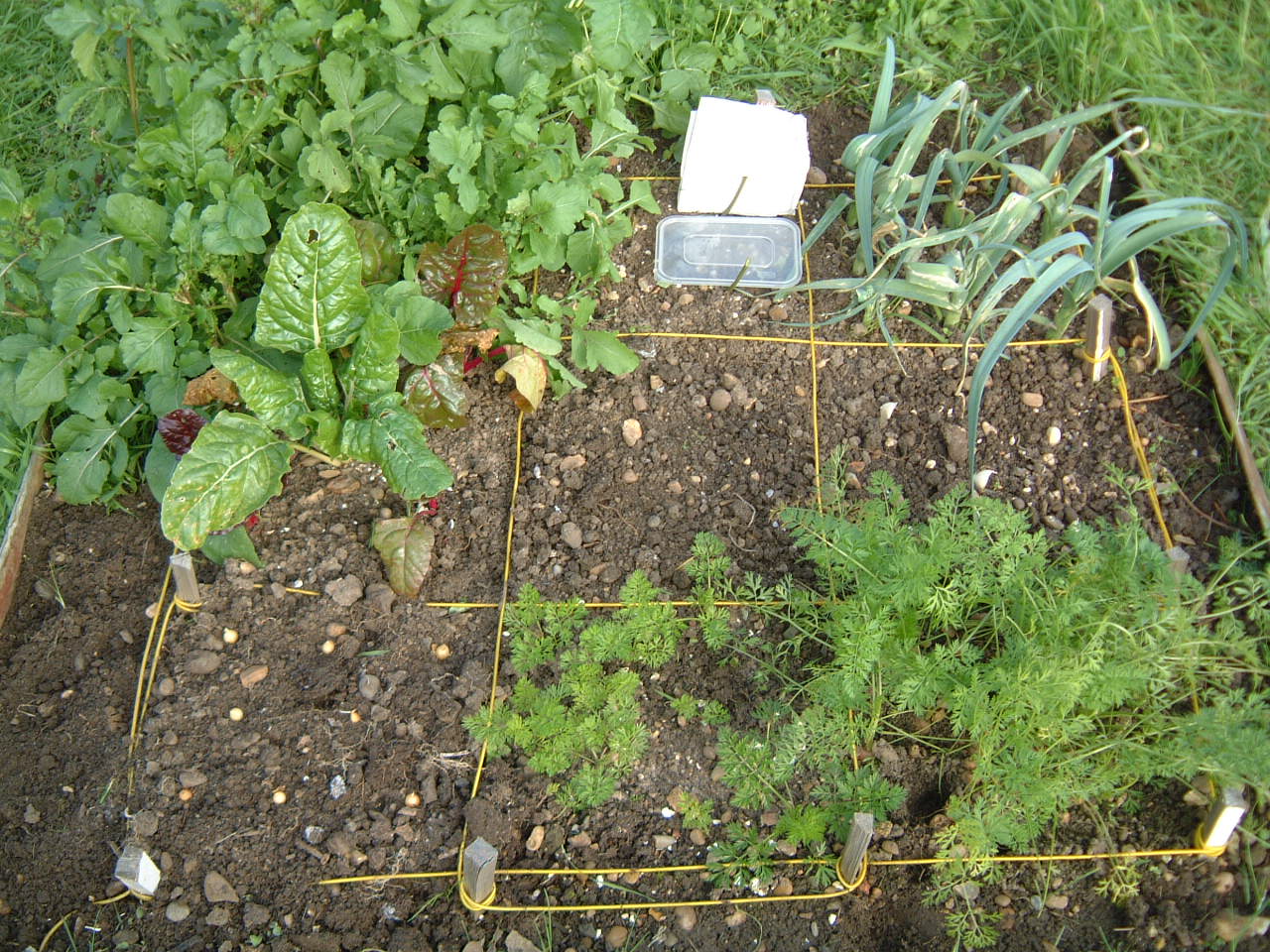

Above you may just see that I’m planting some overwintering onions where the potatoes were and I’ve put some garlic between the carrots and leeks.

To plant, making sure the onion or garlic is the right way up, I simply push them just below the loosened soil surface. I am not putting the onions and garlic where they were before; this is crop rotation.

In the square vacated by the beans I’ll try a few more winter lettuce, and I’ll plant some broad bean seeds in the central square. Not ideal as they’ll cast shadow on the squares to their west and north but as I’m rotating crops I don’t have any other options.

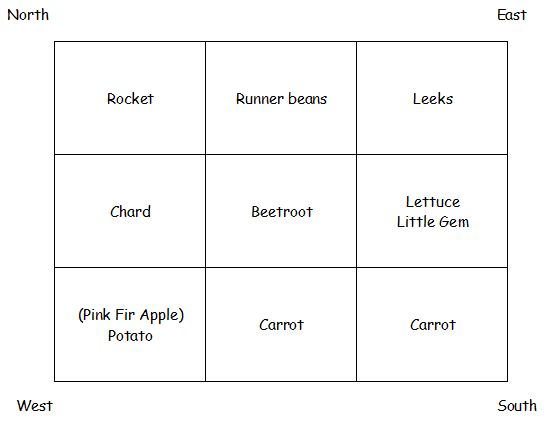
Now the SFG can be put to bed for the winter. I’ll protect with fleece and harvest as crops mature otherwise there’s little more I can do. Below is a ‘winter plan’.


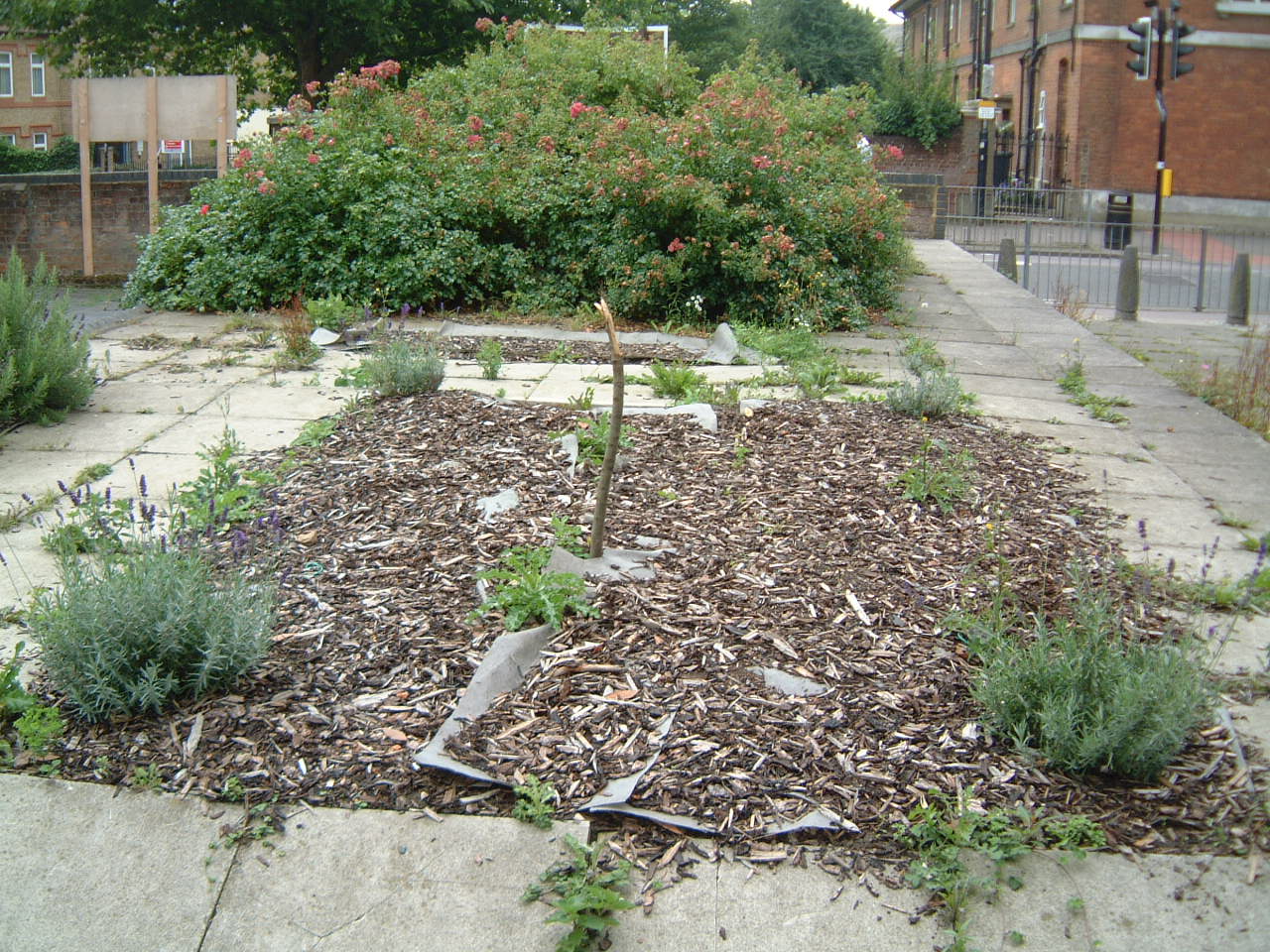
In case you read this but have not kept abreast of other Grow Your Own Food happenings, I’m attaching ‘before and after’ pics of our demonstration garden at the Courtyard Cafe, next to the museum in Hatfield Road.

The idea is one step up from the SFG and shows what might be grown in an area about 3m x 4m. The owner kindly lets us use this plot; and he plans to use the produce in the cafe!


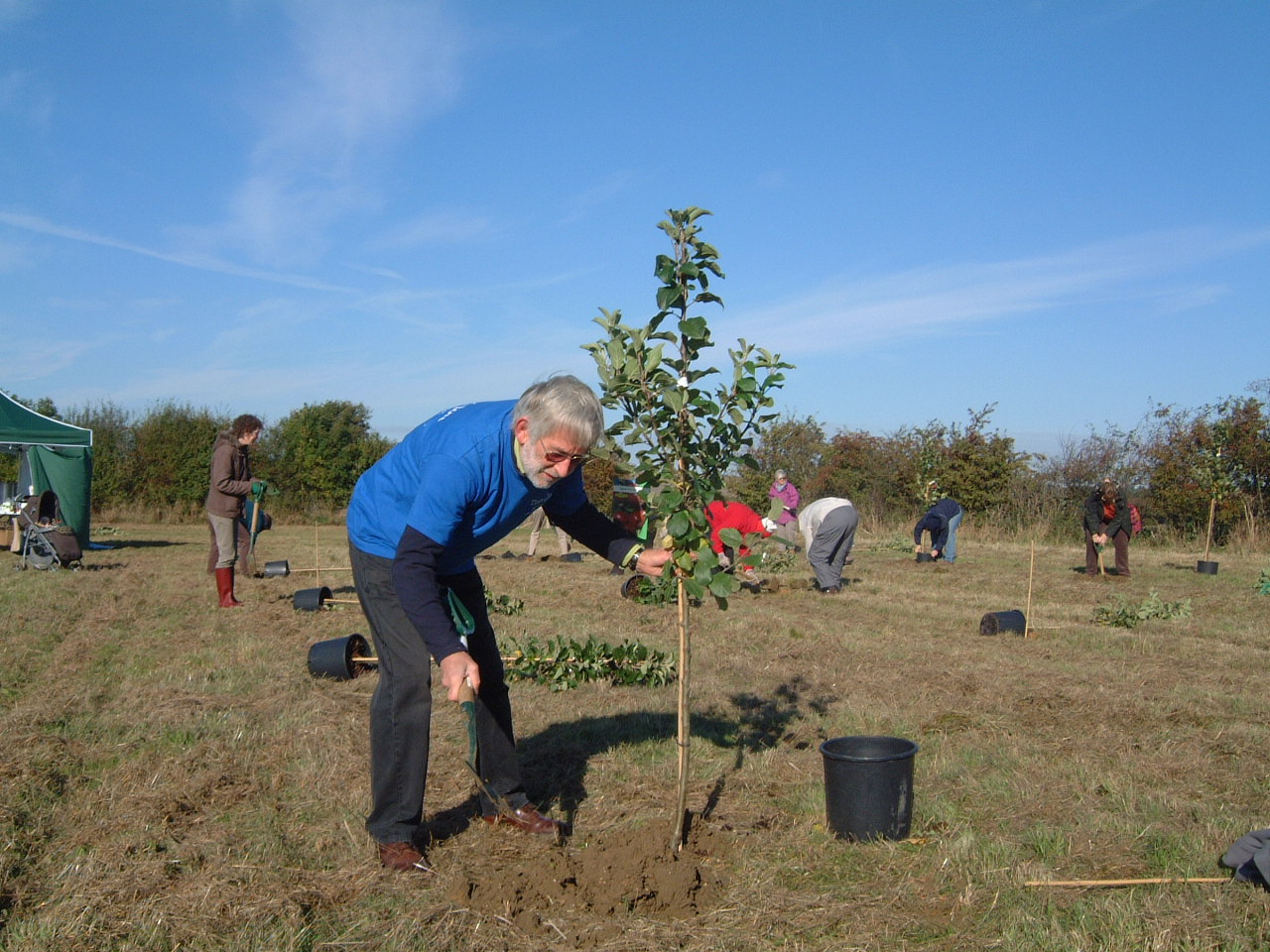
One other, much bigger growing food event, was the first planting of the Woodland Trust, Heartwood Forest Orchard, on Apple Day 21st October, yesterday.

Below you see me planting one of the first of 600 fruit trees which will be planted here, just outside Sandridge.

Keep warm and watch this space near Christmas.

Wednesday, 22 September 2010

After our holidays...

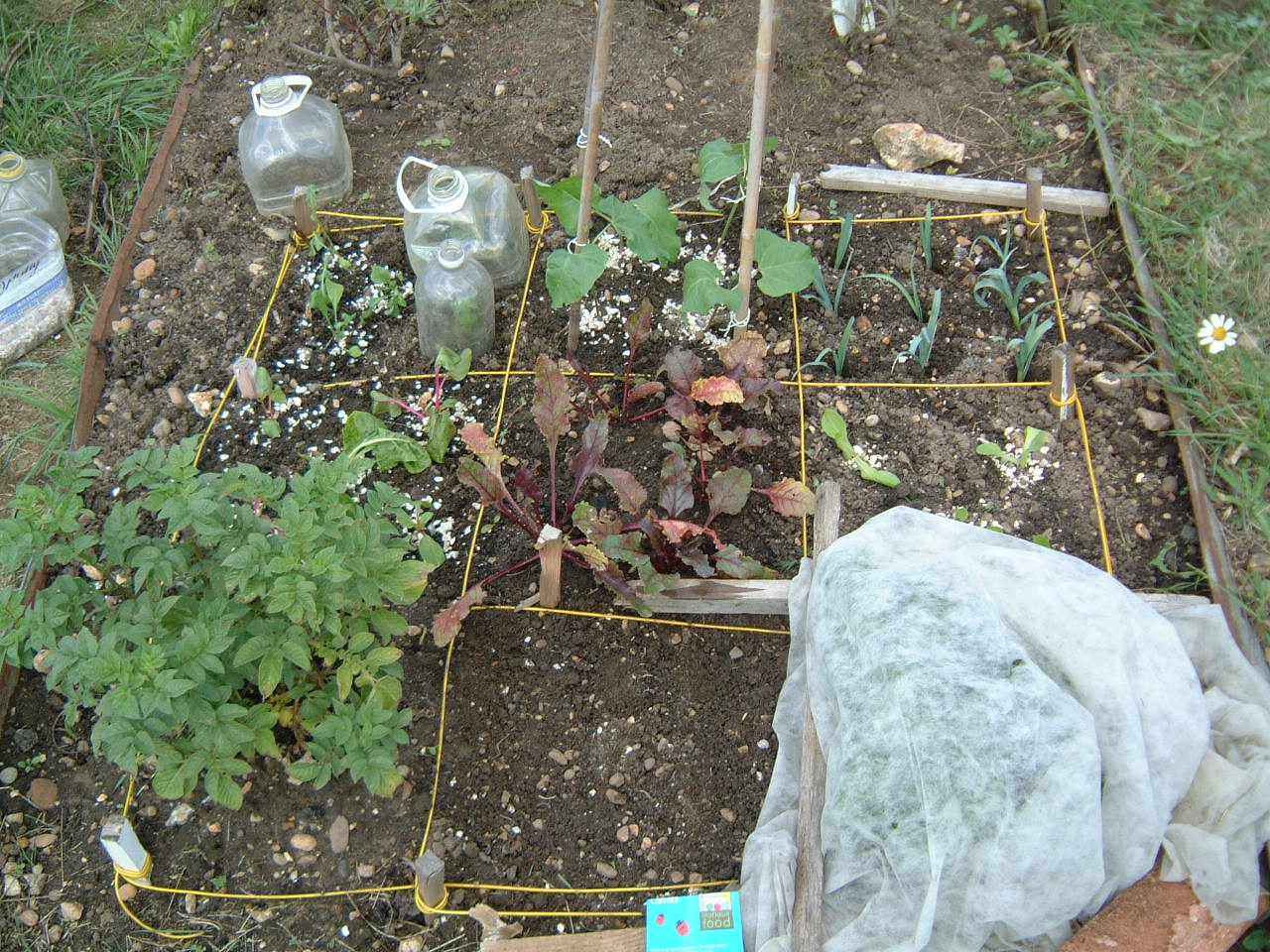
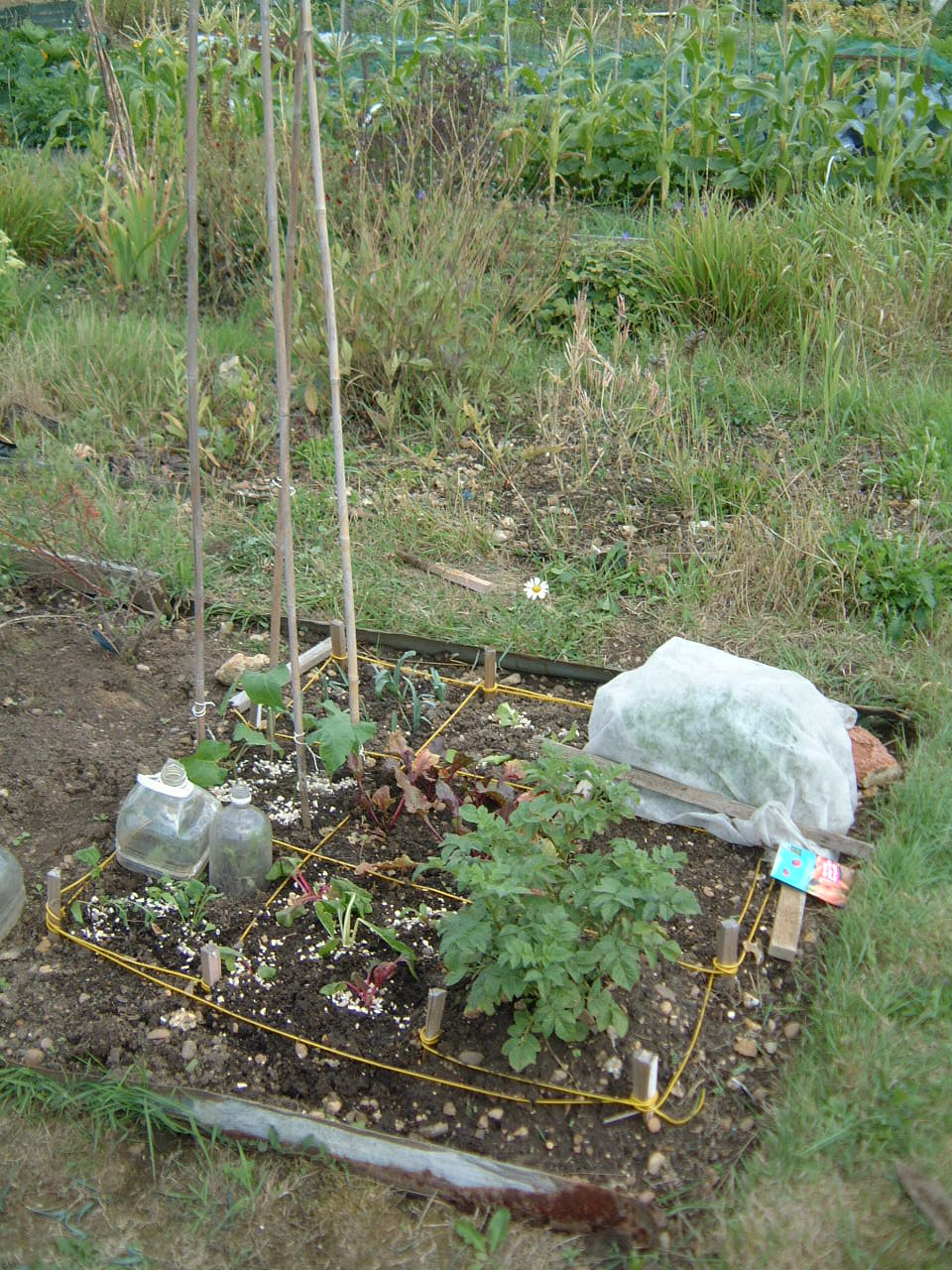
We’ve been away for our hols and returned to a mixed SFG. The picture below shows the overall scene.


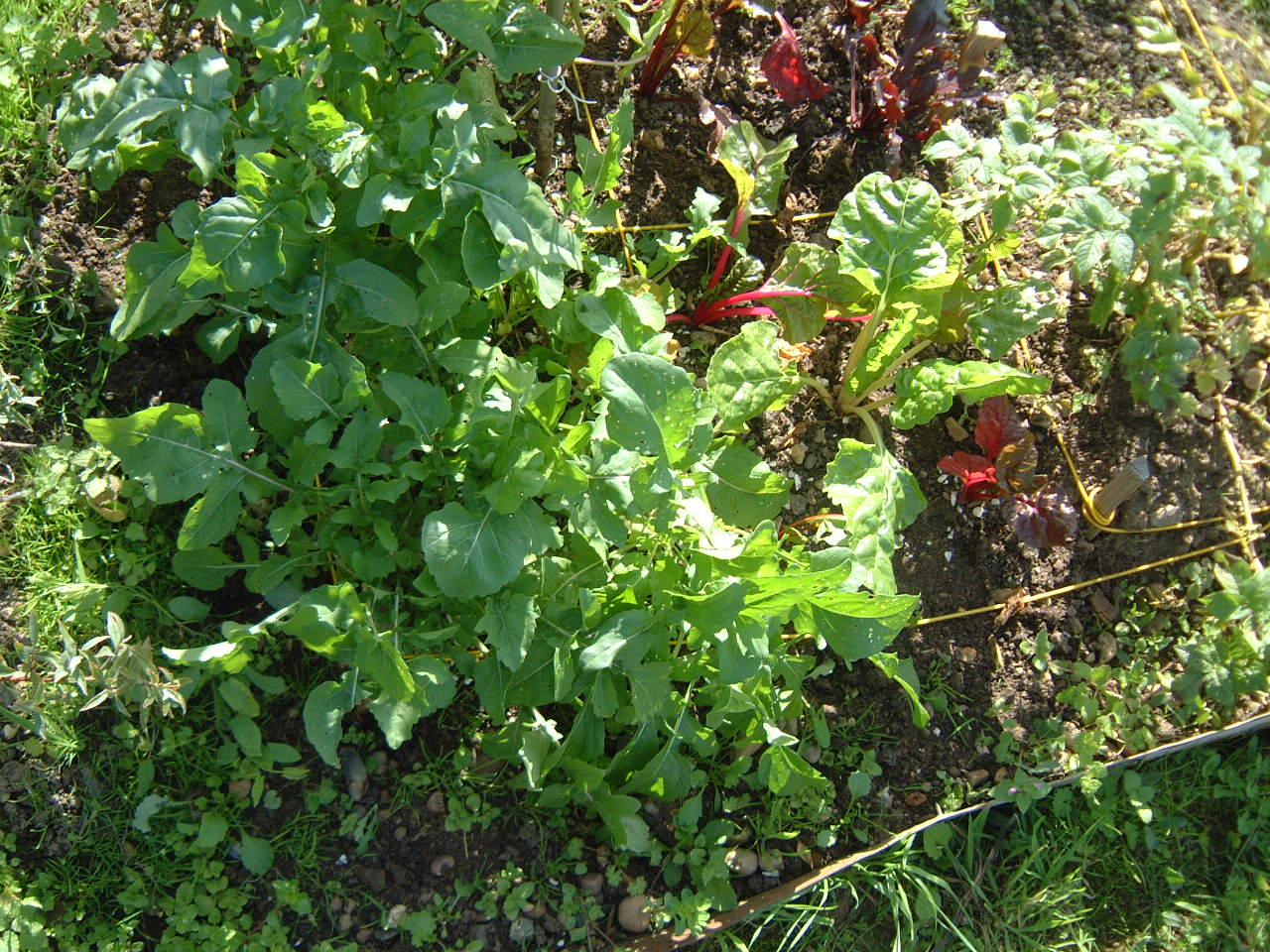
The leeks and rocket (back left) are good and the runner beans have taken off. Hard to see but the chard is also doing well. The next photo shows this more clearly (rocket to the left).


However a closer look at the first photo also shows that the lettuce, which were between the leeks and the carrots, has been eaten, and in the front centre square only a few of the last batch of carrots have survived.

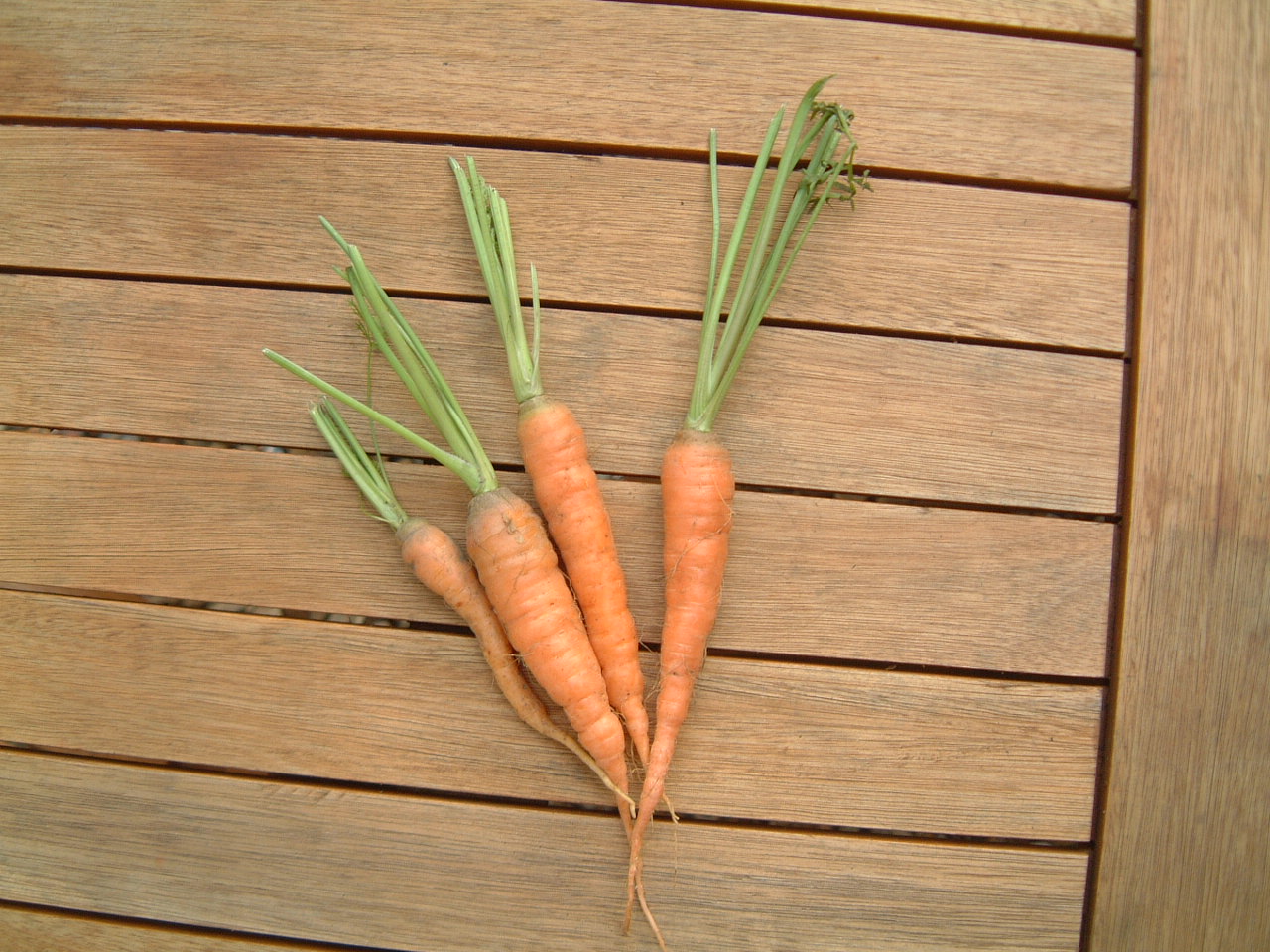
But, the rocket is good and no attacks from the flea beetle this time and the carrots have benefited from a thinning back in August. The photo below gives an idea of what I can still harvest. Note that the carrot on the right came from a row in another place on the allotment, which did have a good thinning much earlier in the season. Spot the difference!


Whilst the runner beans are now climbing, and getting some watering and blood-fish-bone treatment, it is unlikely that they will produce many beans unless we have a long Indian Summer and the bees return to pollinate. Wait and see.

During the next week or so I’ll dig the pink fir potatoes and lift the remaining beetroot, and keep ‘thinning‘the carrots. That will leave 4 vacant squares. Would anyone like to suggest vegetables I can plant in them at this time of the year for overwintering?

Tuesday, 17 August 2010

SFG looking a little more cared for

After rather disastrous germination from the previous attempt I’ve weeded, cut off the beans at ground level (leaving roots in the soil to help fix nitrogen), dressed the surface with fish, blood and bone and re-planned for the end of the summer and partially into the winter.

I’ve tried to maintain a rotation so that I’m not growing the same crops in the same places.

 
The rocket, chard, leeks and lettuce were grown from seed in other parts of the allotment. The runner beans were from last year’s seed, grown inside in compost and the carrots were from a free packet of ‘Autumn King’ national Trust seeds (see last blog entry). This time I’ve sown them very thinly in rows and I’ll cover with fleece to deter the carrot fly. Again I have protected seedlings against slugs with fine gravel.
 
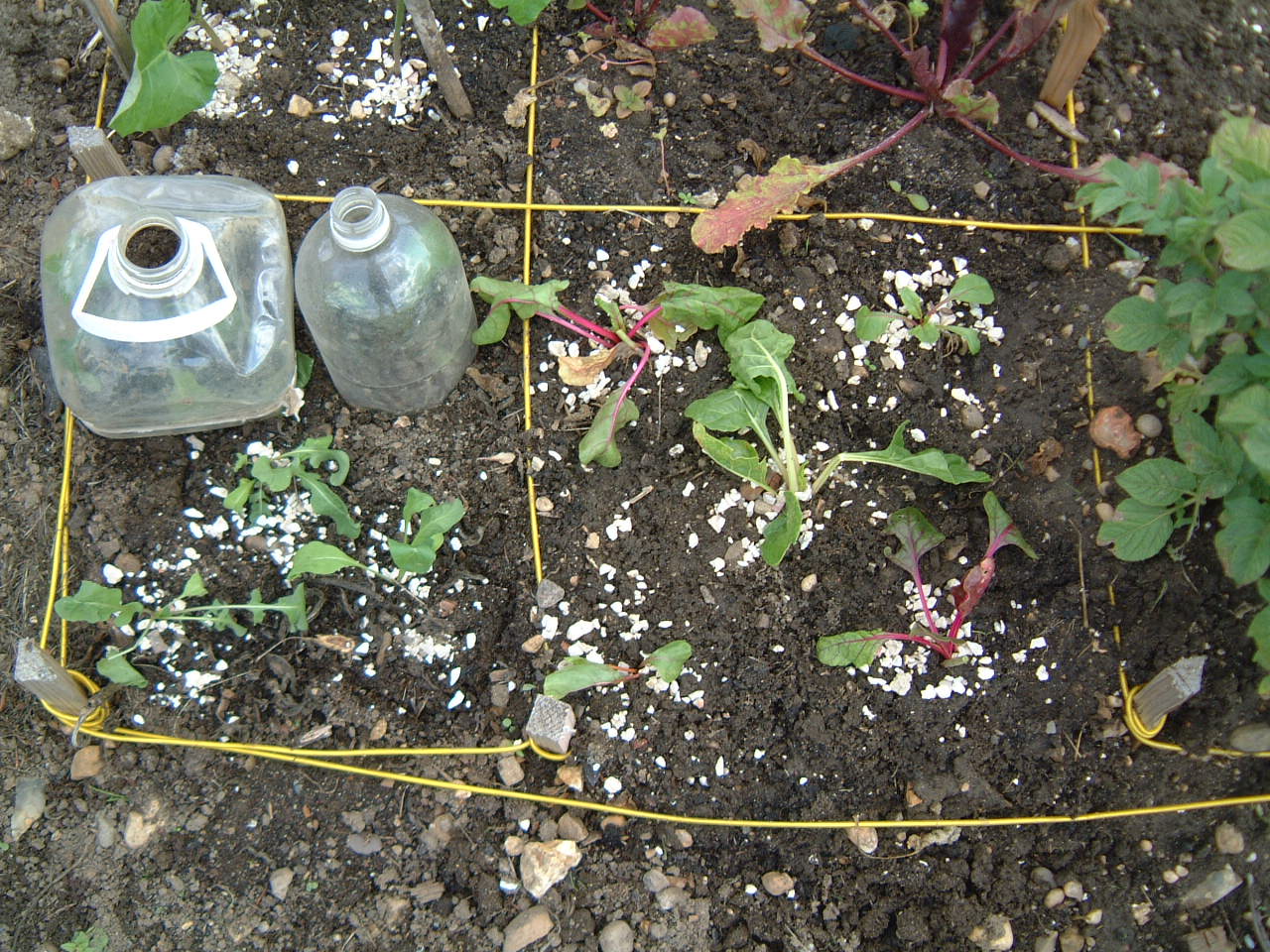
The previous crop of rocket did not survive so I’m planting under home-made plastic cloches to see if this keeps the flee beetle away. The photo below shows the rocket and chard.


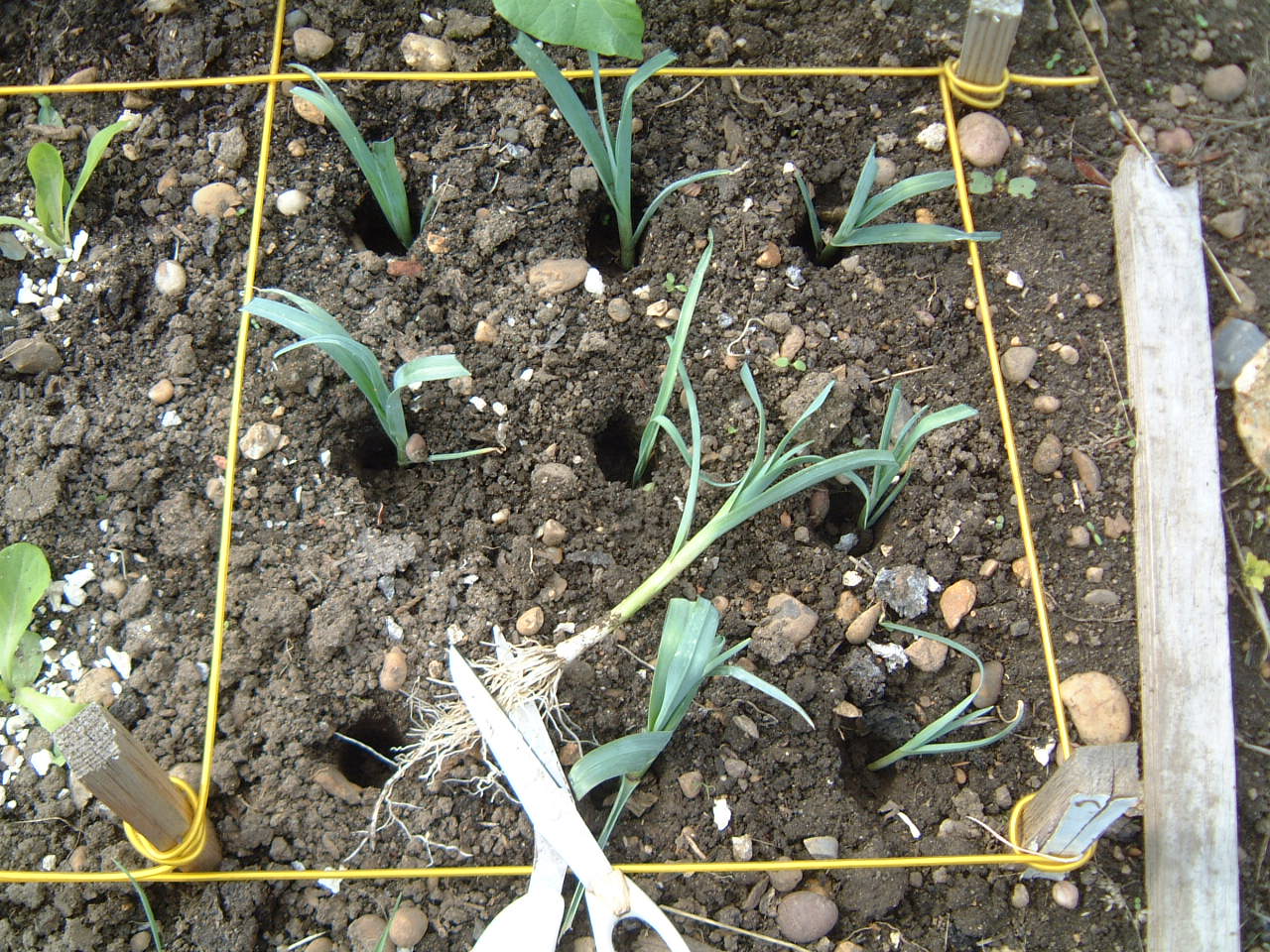
The leeks below were first trimmed, top and bottom, then planted in a hole, about 10cm /4” deep (made by a broom handle) which was then filled with water. I’ll drop a little fish blood and bone in each hole when they’ve established.


Some may think I’m late with planting runner beans. We have had broad beans; are currently eating French beans so these runners will hopefully fill the gap at the end of the season. I put the four sticks in first, tie them at the top, and then ‘puddle in’ the bean plants.

The pictures below show the SFG looking a little more cared for. Now all that’s needed is weather, neither too hot nor too dry!


PS 17th Aug: Since I wrote this on the 15th, all 5 lettuce have been eaten to the ground by slugs! Maybe there were gaps in the gravel as the beans and chard survived. I have replanted and put lots of coffee grounds around them and just hope that works.

Tuesday, 10 August 2010

Been away and the plot has suffered

Well folks, I’ve been away, the weather’s not been very kind and the plot suffered. The picture below shows the SFG as it was before the current rain. The seeds planted in June have not germinated, or germinated and were eaten by slugs, so there are 3 vacant plots.


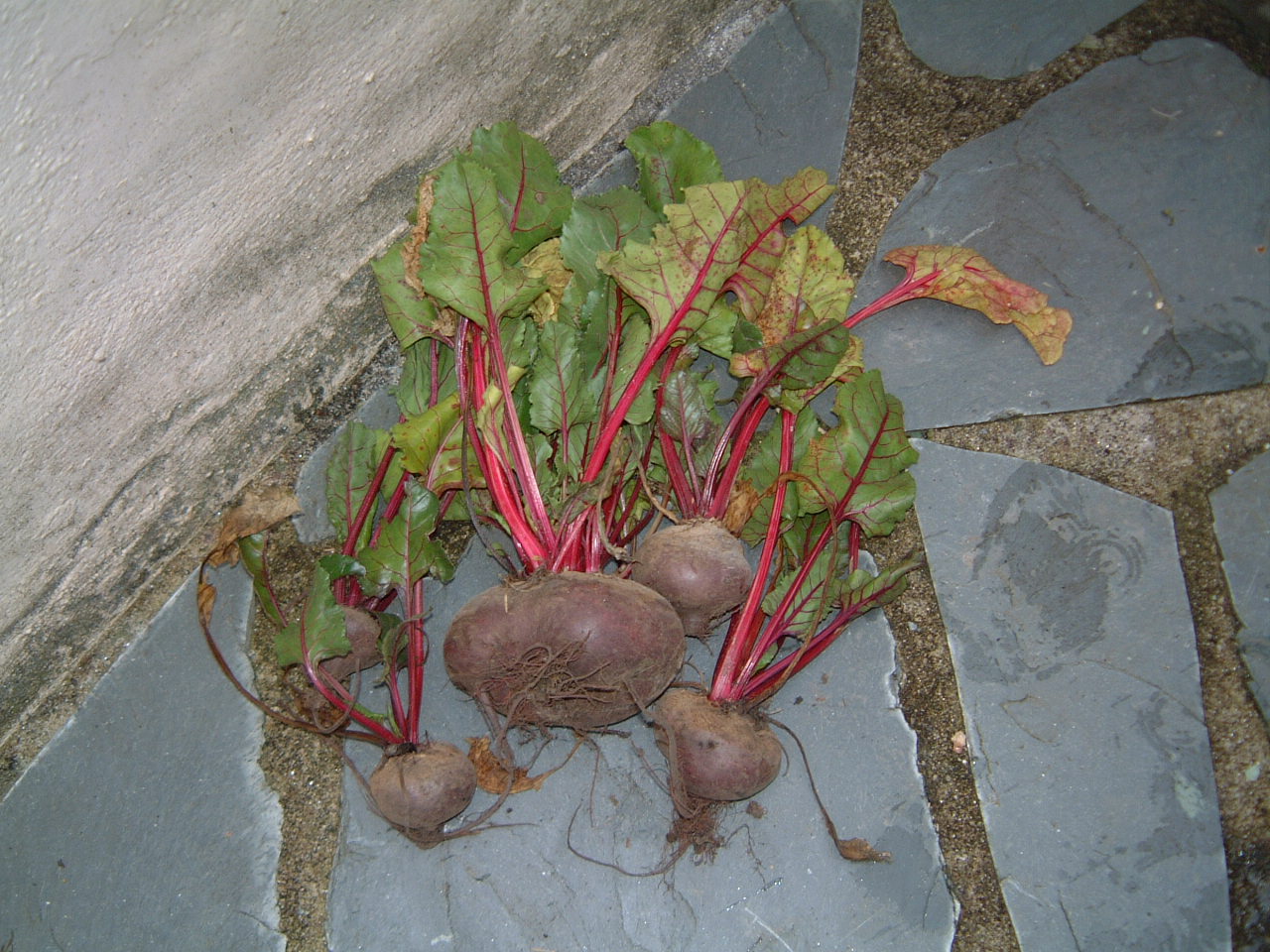
However, I have picked some beetroot (picture below), and carrots (next picture). One beetroot was large whilst most were smaller. The carrots are small and sweet with a lovely flavour, but need thinning out so that they grow a little bigger.


The French beans are a mystery, as the plants are very small and the beans, which I left to grow, have not grown! Compare them to some plants from the same batch of seedlings, planted in another part of the allotment (second picture below): good sized and healthy plants with a heavy crop. I don’t have any answers: I just hope yours were good.


Over the next few days I’m going to cut back the stalks of the broad and French beans, lift the onions, clear any weeds and begin to plant the vacant plots for the autumn and winter. Any suggestions would be welcome.

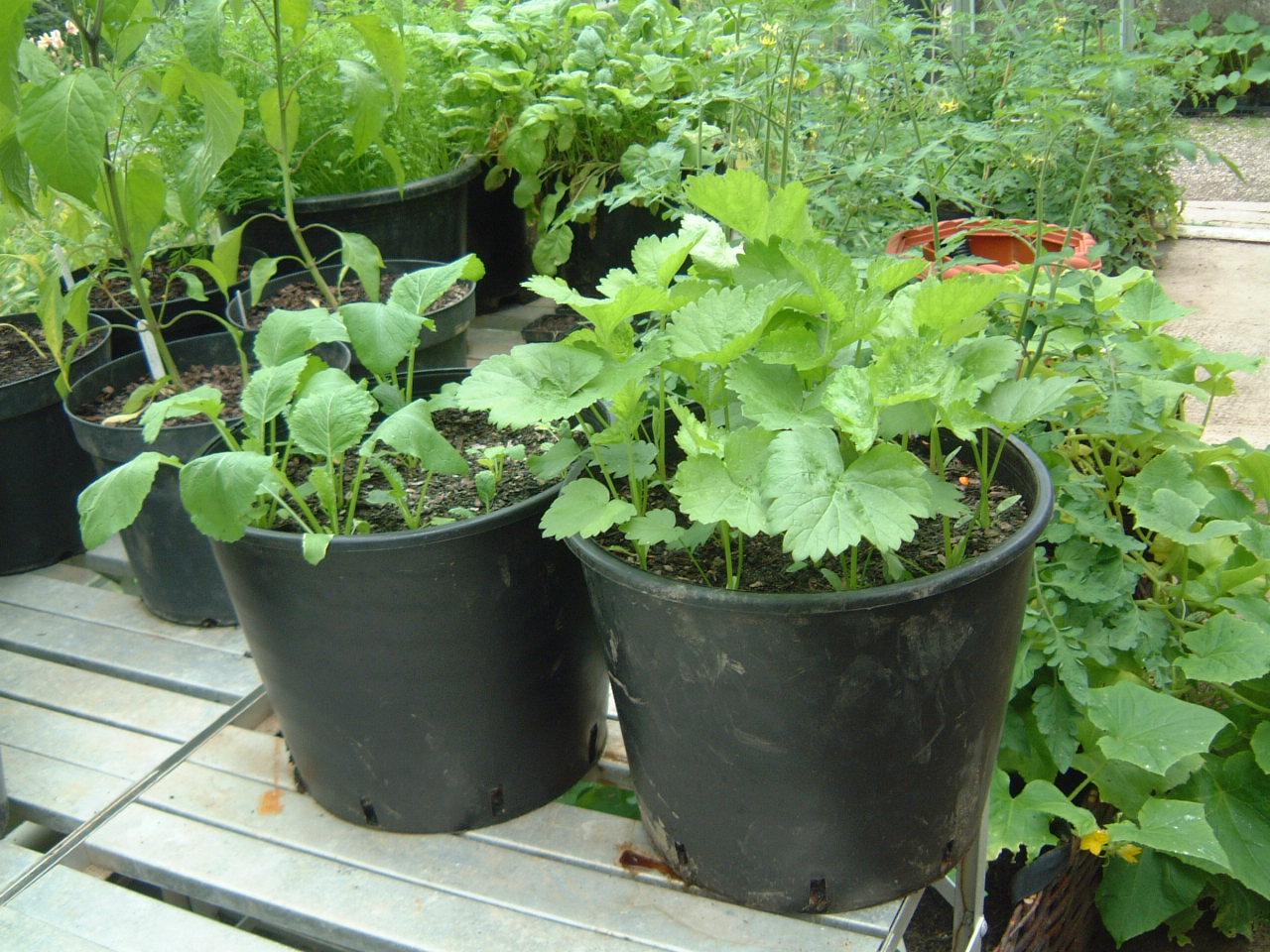
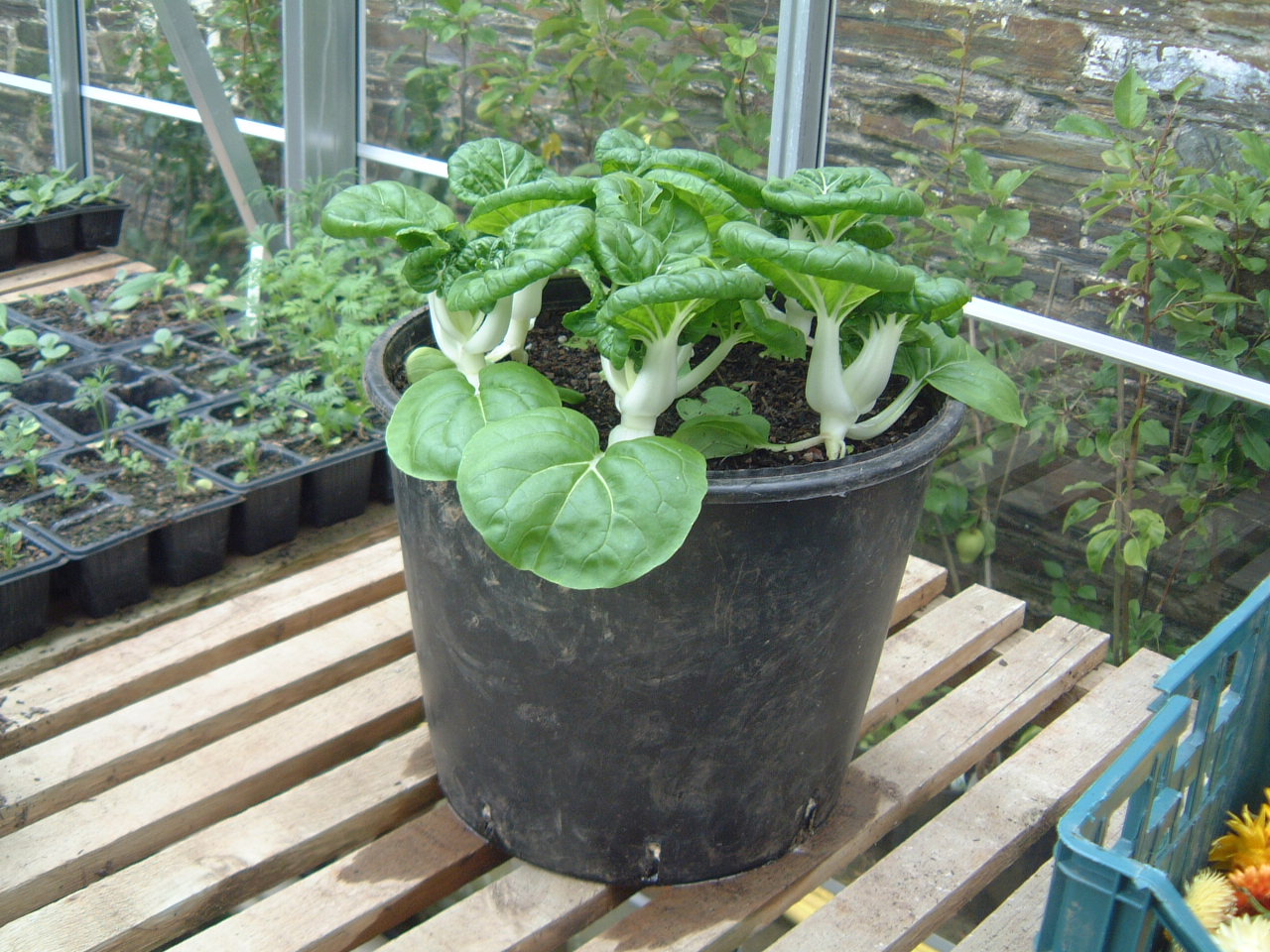
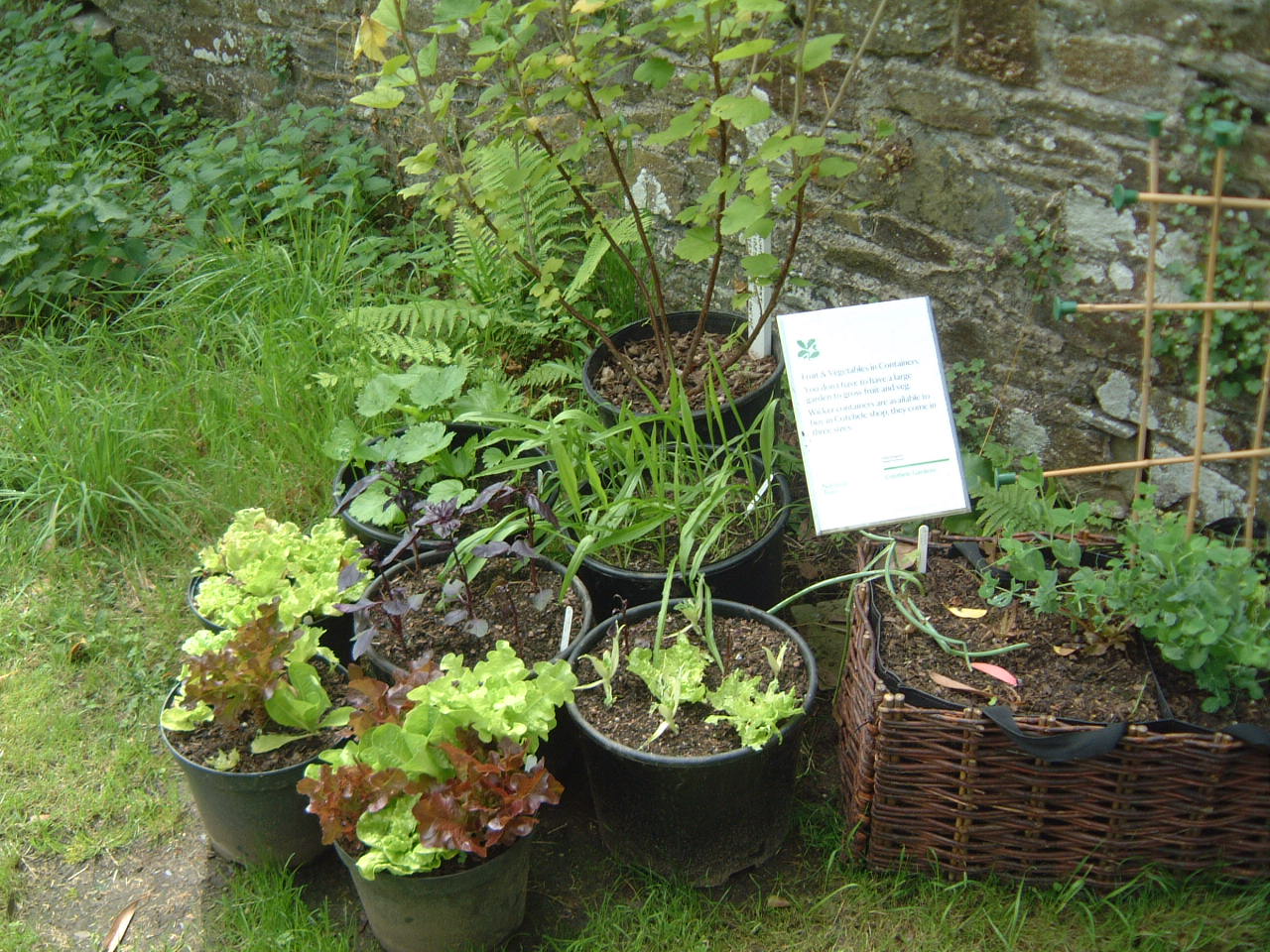
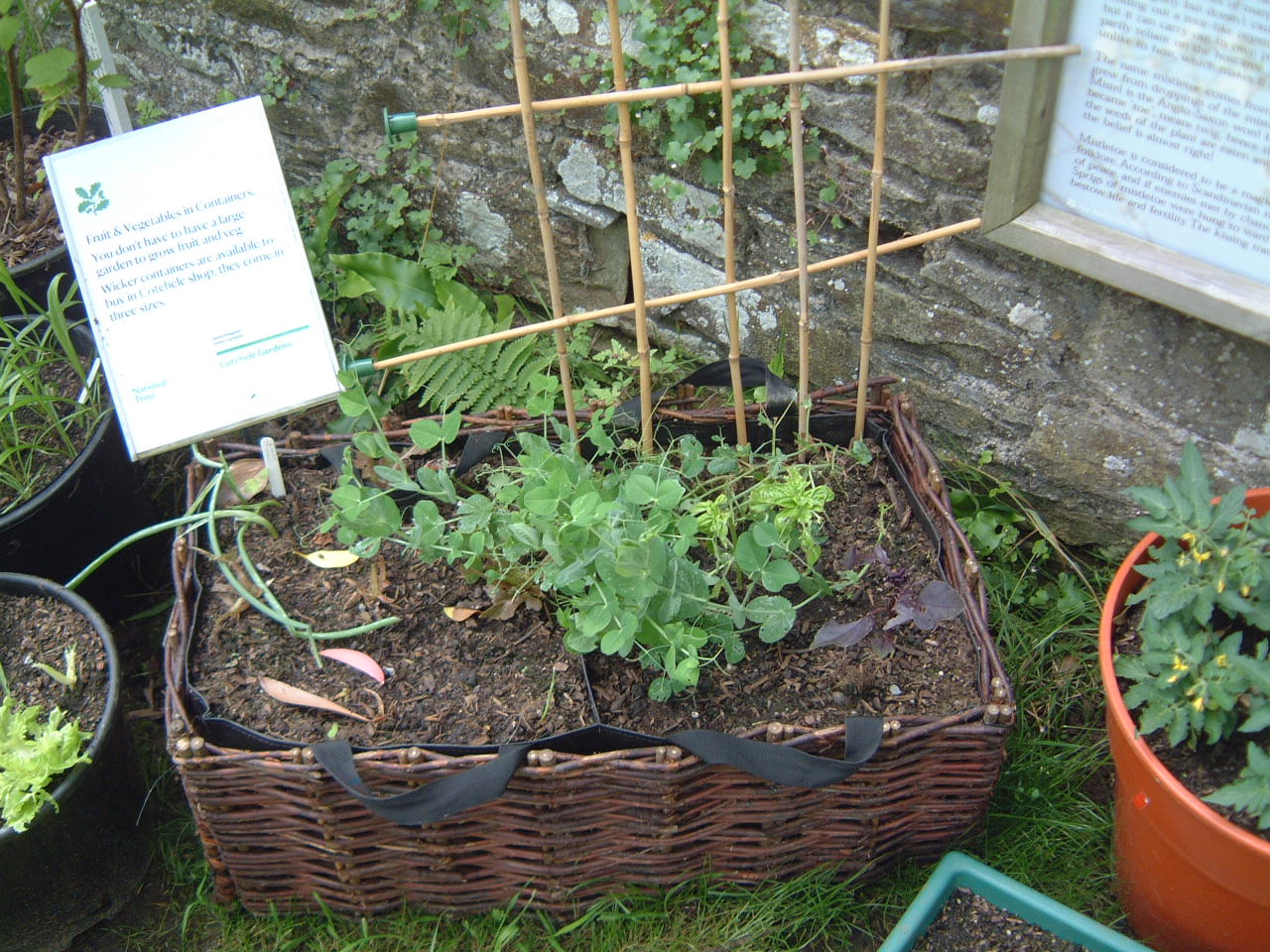
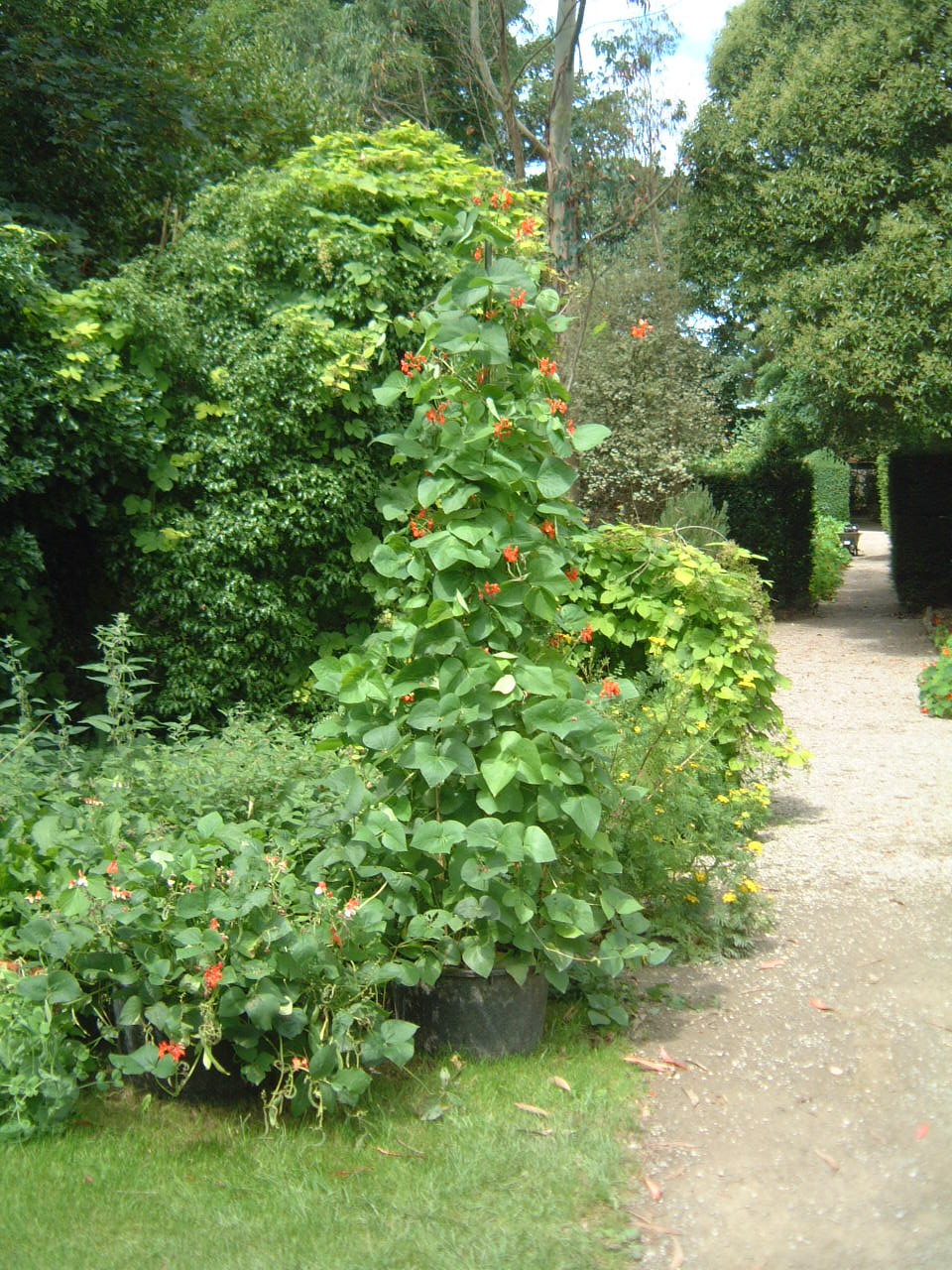
While I was away I saw a display of vegetables grown in containers at a National Trust Garden and thought you might like to see them for inspiration. The pictures below show pak choi, parsnip, runner beans, peas and lettuce and the last picture is a square metre given over almost entirely to beetroot. So, there’s no excuse even if you only have a window box!


Another inspiration recently has been from Garden Organic. Their web site http://www.gardenorganic.org.uk/ has lots of ideas for SFG and the summer edition of their magazine “The Organic Way” has a really interesting article by Colin Shaw entitled ‘What a lot of veg!’ where he explores alternative ways of using SFGs. For example planting 56 carrots in one square meter and harvesting 9kg!

Don’t forget, suggestions please for winter planting on the SFG.

Tuesday, 29 June 2010

SFG in need of some TLC

Oh Dear! Lots of other things to do, lots of hot dry weather and the Square Foot Garden (SFG) has suffered...

The picture below shows the dead rocket (centre front), ‘woody’ radish (centre right), bolted lettuce (back right) and broad beans falling over (back left). So a big tidy up is needed, and some replanting and watering. But we have had good crops of lettuce, radish and broad beans, so all has not been in vain.


The next picture shows what ten minutes TLC can do, with plans for next planting. I’m avoiding putting the same crops in the same SF (rotation), so lettuce (centre front) basil (centre right), swede for winter (back right) and a few radish where I’ve removed the front onions.


And with the broad beans staked, the whole SFG watered and new seeds covered with fleece, it looks like this:


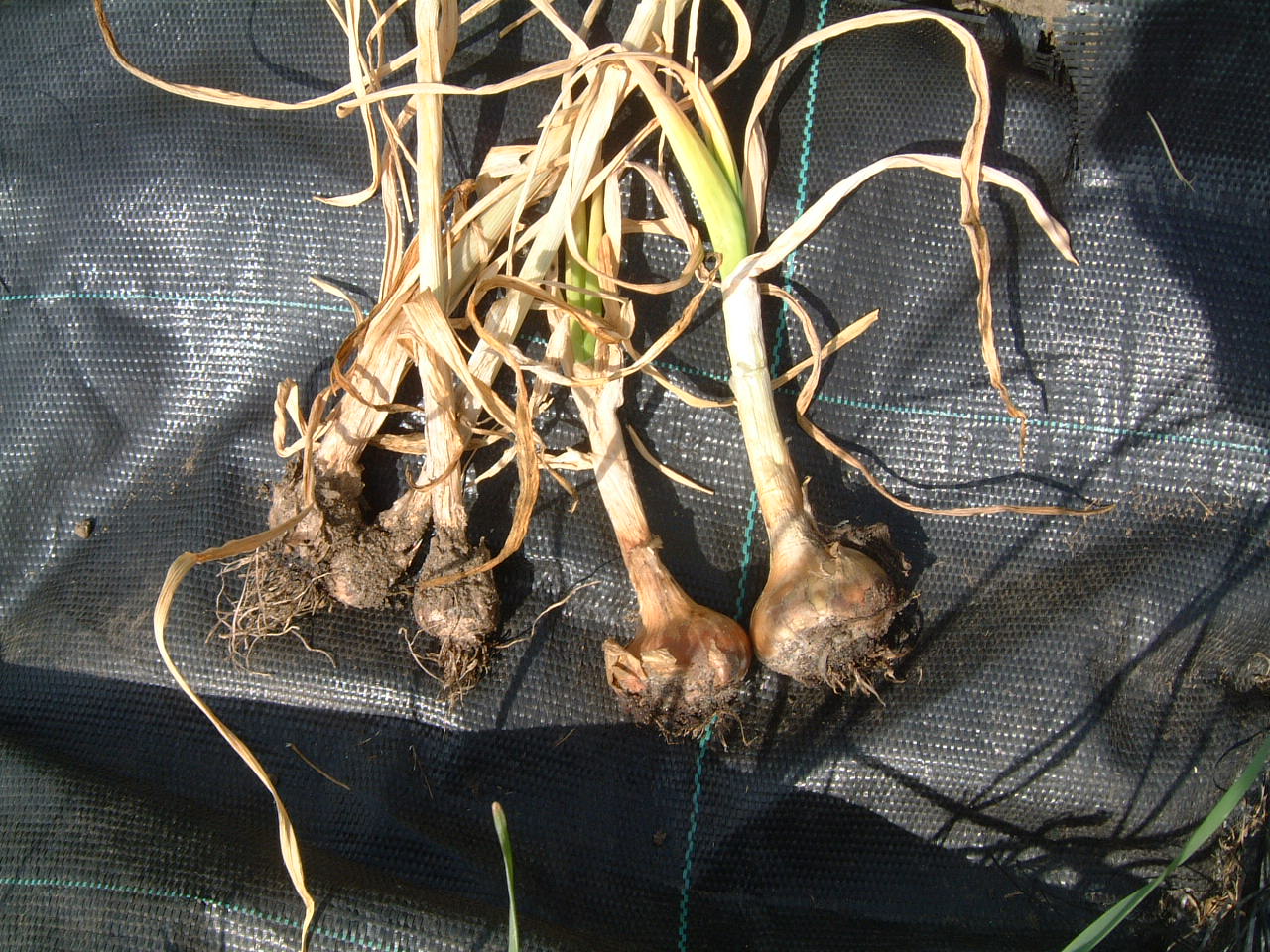
Onions! Not good this year. If you remember I planted 3 onion sets at the back (north east side) garlic in the centre and 3 onions grown from seed in the front. The sets continue to grow, slowly, but the garlic and onions from seed have developed ‘white rot’, yes even in the hot weather, and are of little use. This looks like a fungus on the base of the onion and the roots are stunted. The disease is often ‘bought in’ on sets or manure etc and easily transferred by foot from plot to plot. It infects the ground for at least a decade and there is no known organic treatment. The onions may grow to a decent size but will not keep more than a couple of weeks. We’ll wait to see whether the sets survive.


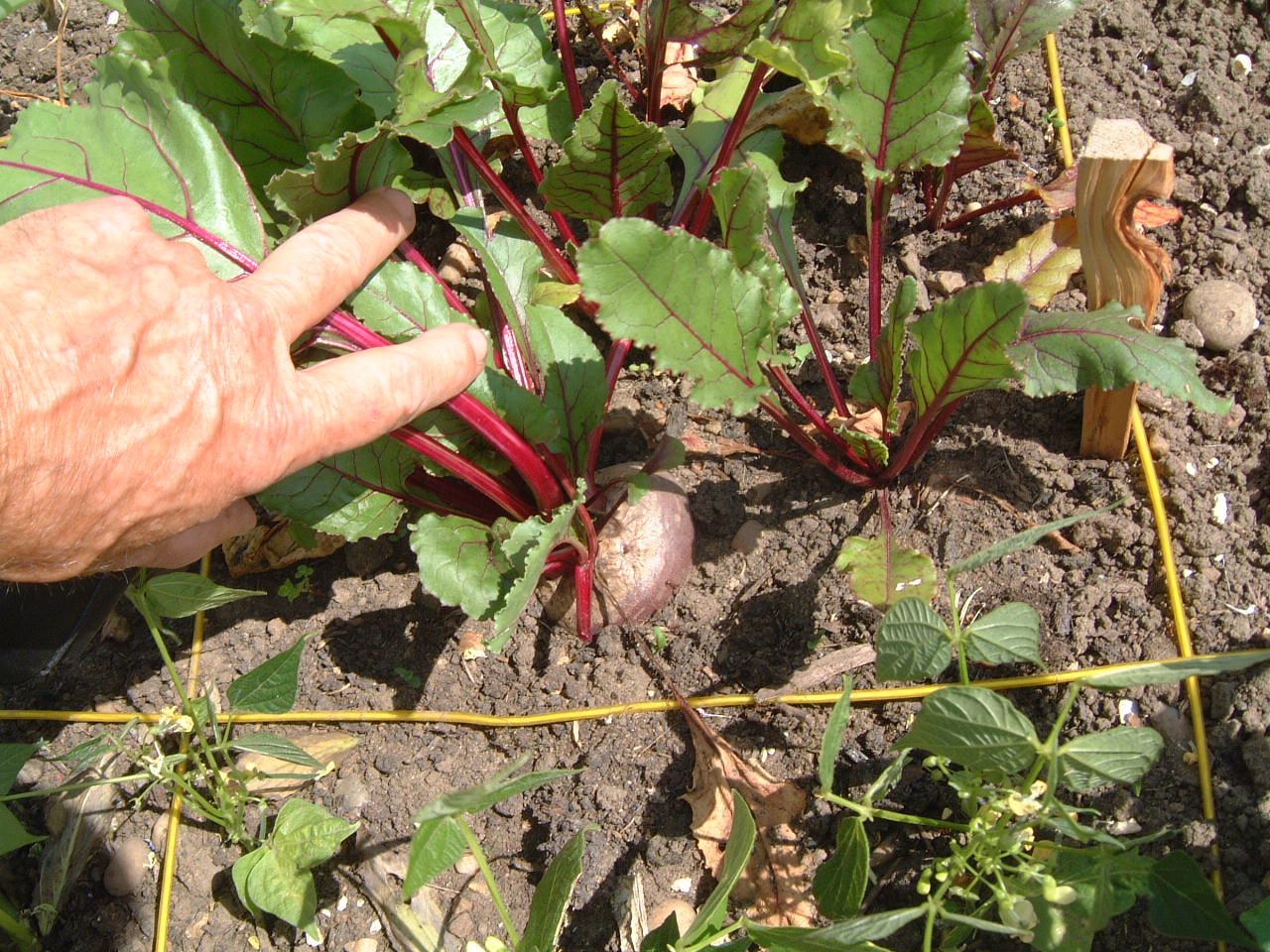
Now the good news! The beetroot are growing, with one looking almost ready, which is good as I transplanted these as seedlings rather than growing from seed in situ.


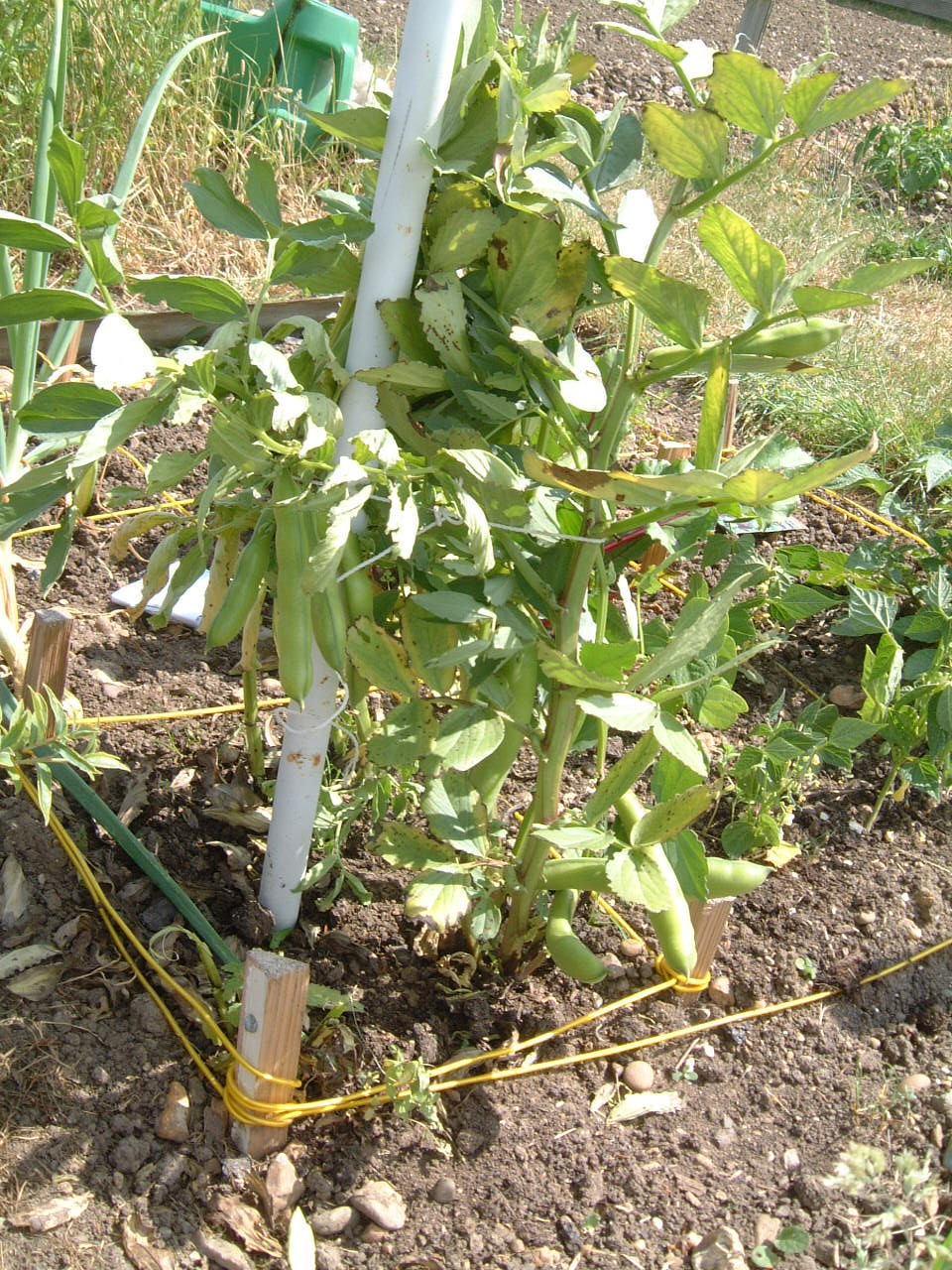
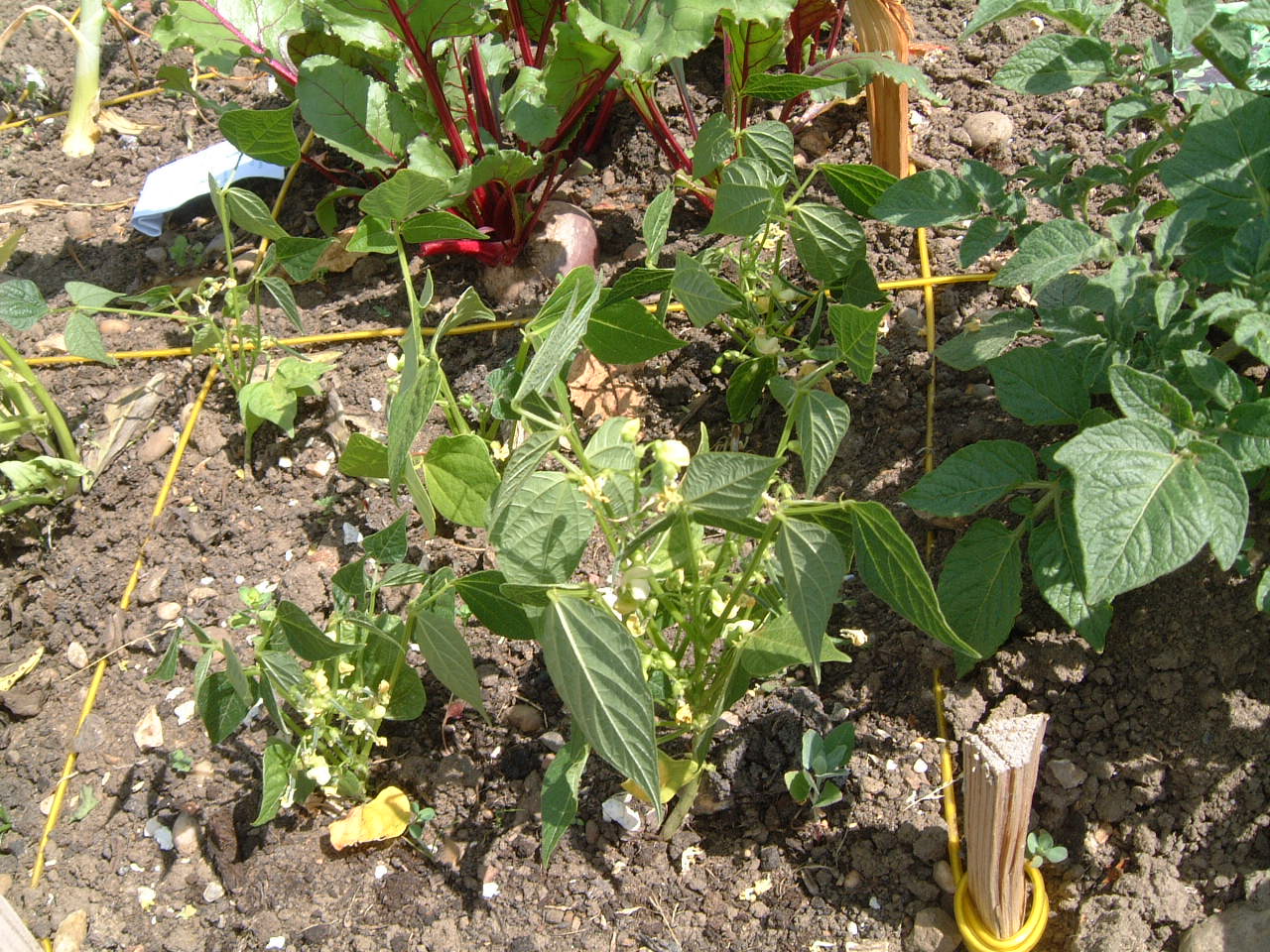
Plenty more broad beans to fill out before harvesting (first picture below) and staking will prevent them for falling onto the French beans (second picture below) which, while quite stunted, do have lots of flowers.


The potato on the right above looks healthy.

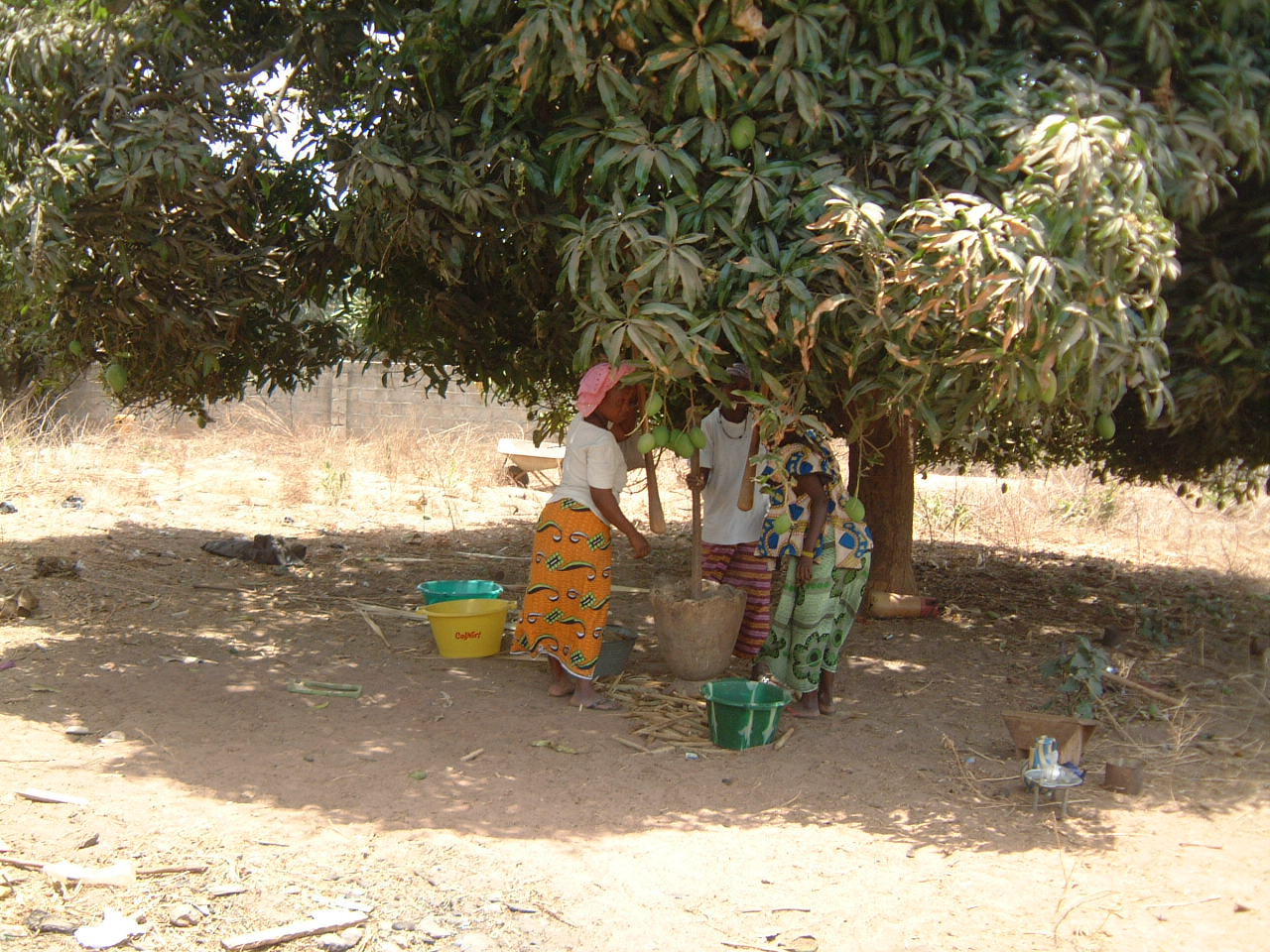
Just as I am taking goodness out of the soil, I must put something back, so before watering I’ve sprinkled a small handful of ‘blood-fish and bone’ over the ground. This organic fertilizer is widely available in this country but its use is global. However, not everyone can just pop to the garden centre to buy a pack. Here are three women I met in West Africa crushing dried fish remains and bones, with pestle and mortar, under a mango tree. Hard work in high temperatures!


To update you on other crops growing on the allotment:-

Here are the sweetcorn, with beans just starting to climb beside them and a squash plant to the right and in flower behind.


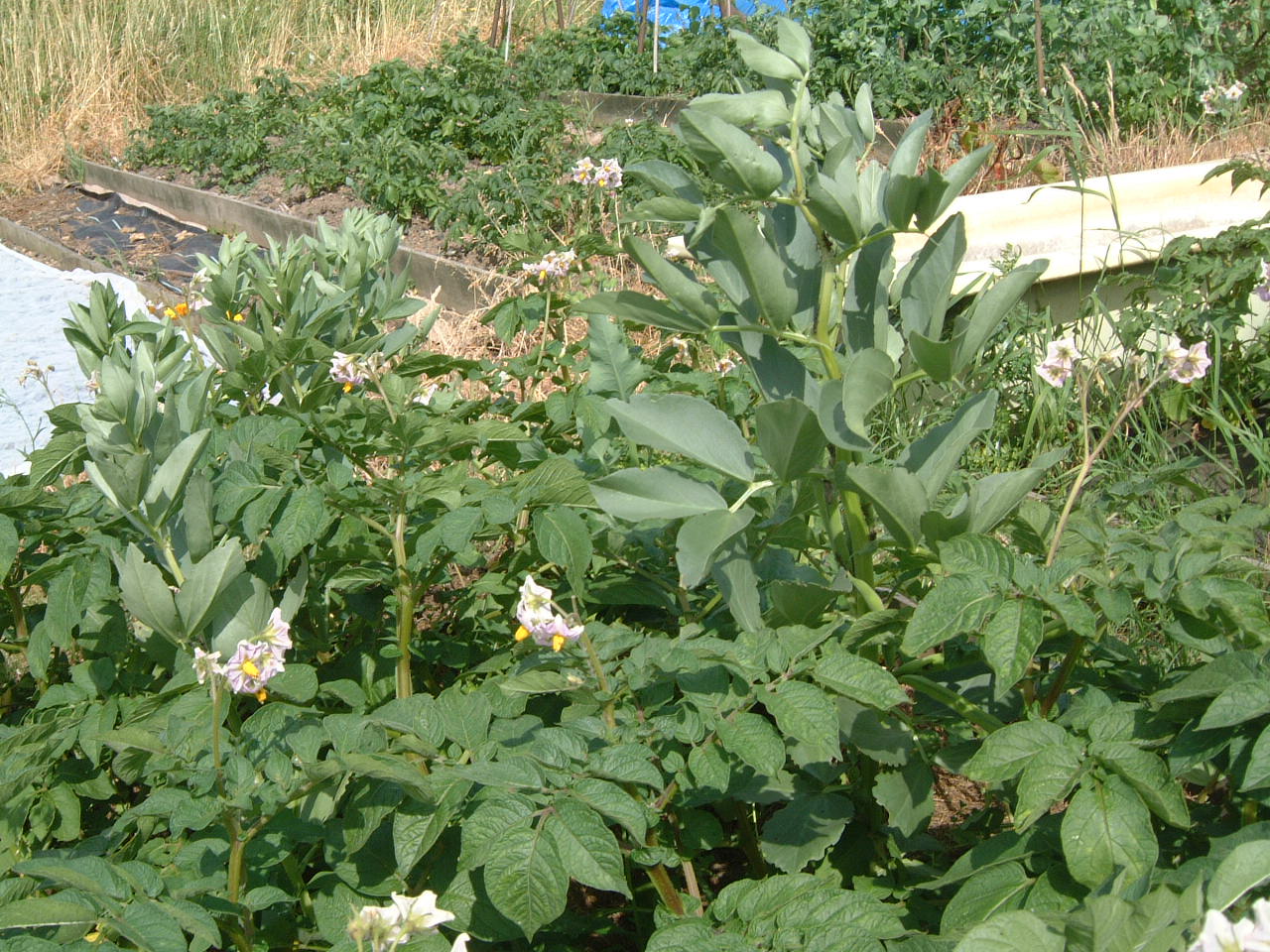
Below, the potatoes are starting to flower with the broad beans growing above them, and beginning to set pods (if you look closely). However, this crop of BB is being attacked by black fly, so I’m going to try to reduce that by spraying with simple washing up detergent.


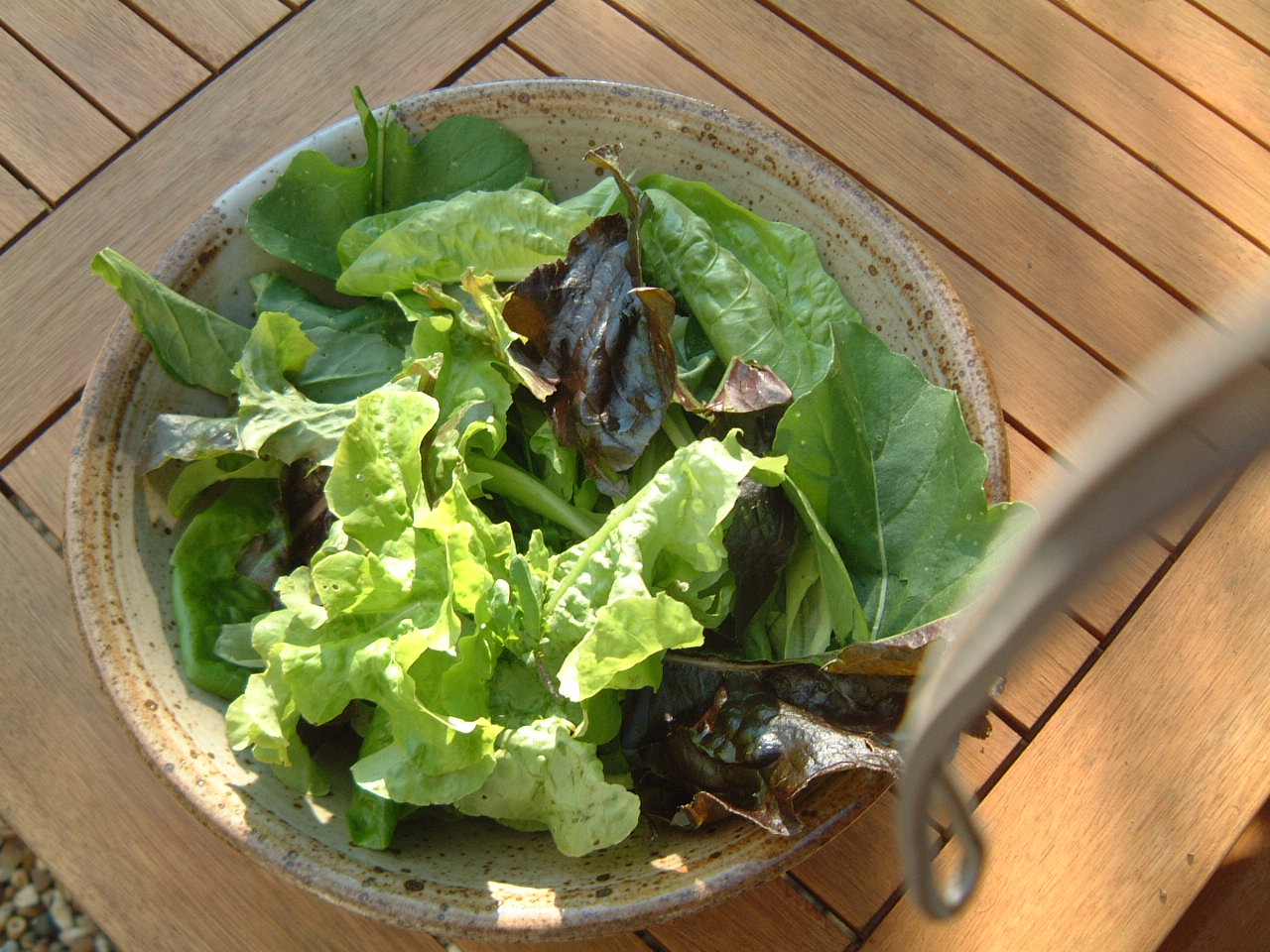
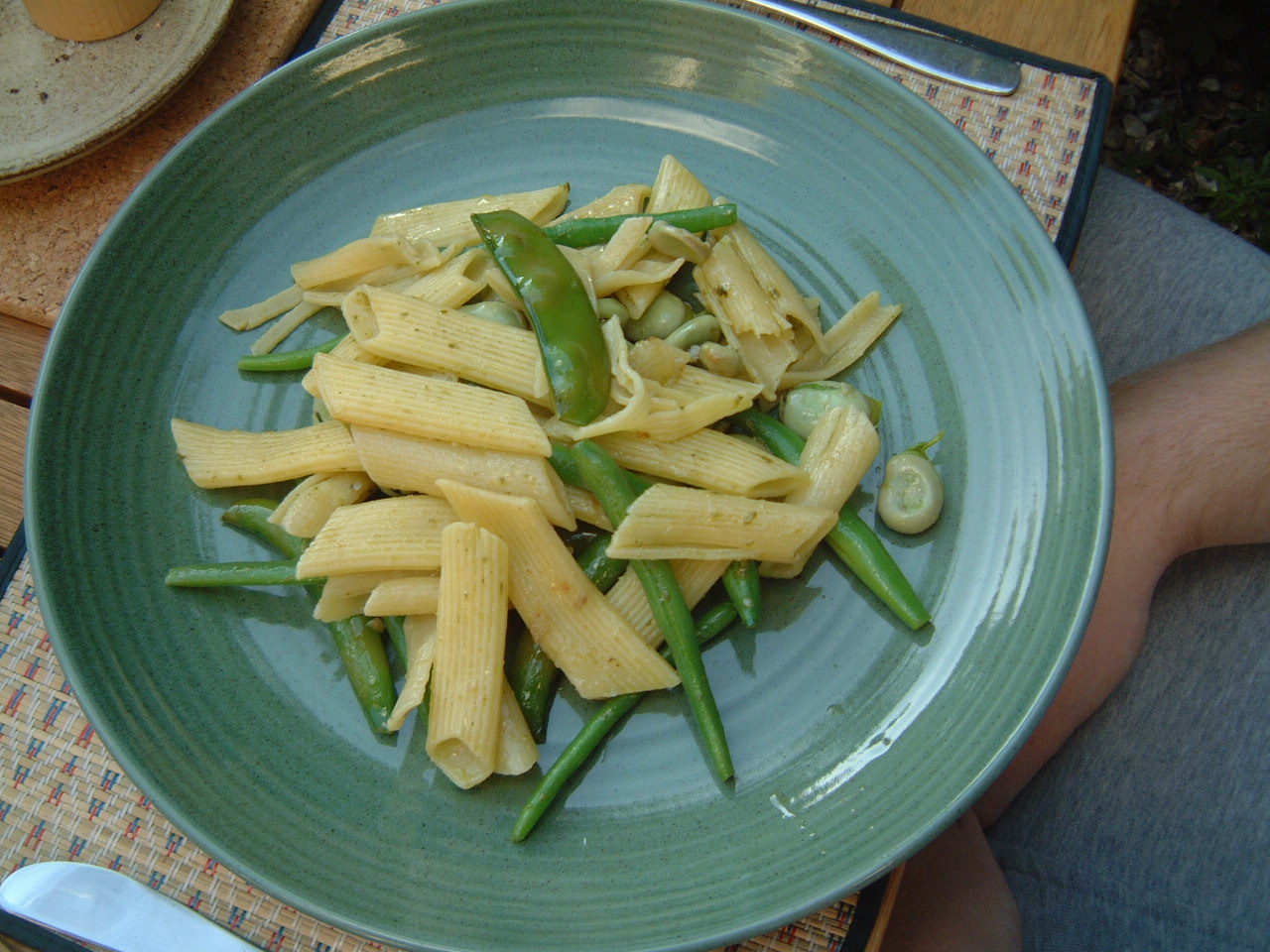
Finally, this is why we do it! A good bowl of mixed green salad and a plate of pasta with broad beans, French beans and peas gently sweated for a couple of minutes in olive oil and garlic; delicious. Really fresh and NO chemicals in growing or preparation!


I hope you are also enjoying your crops; any suggestions for what I should plant in the squares as they become available after harvesting?